

When we invest in the people who open doors for others, the impact doesn't stop with one person — it reaches everyone they serve.
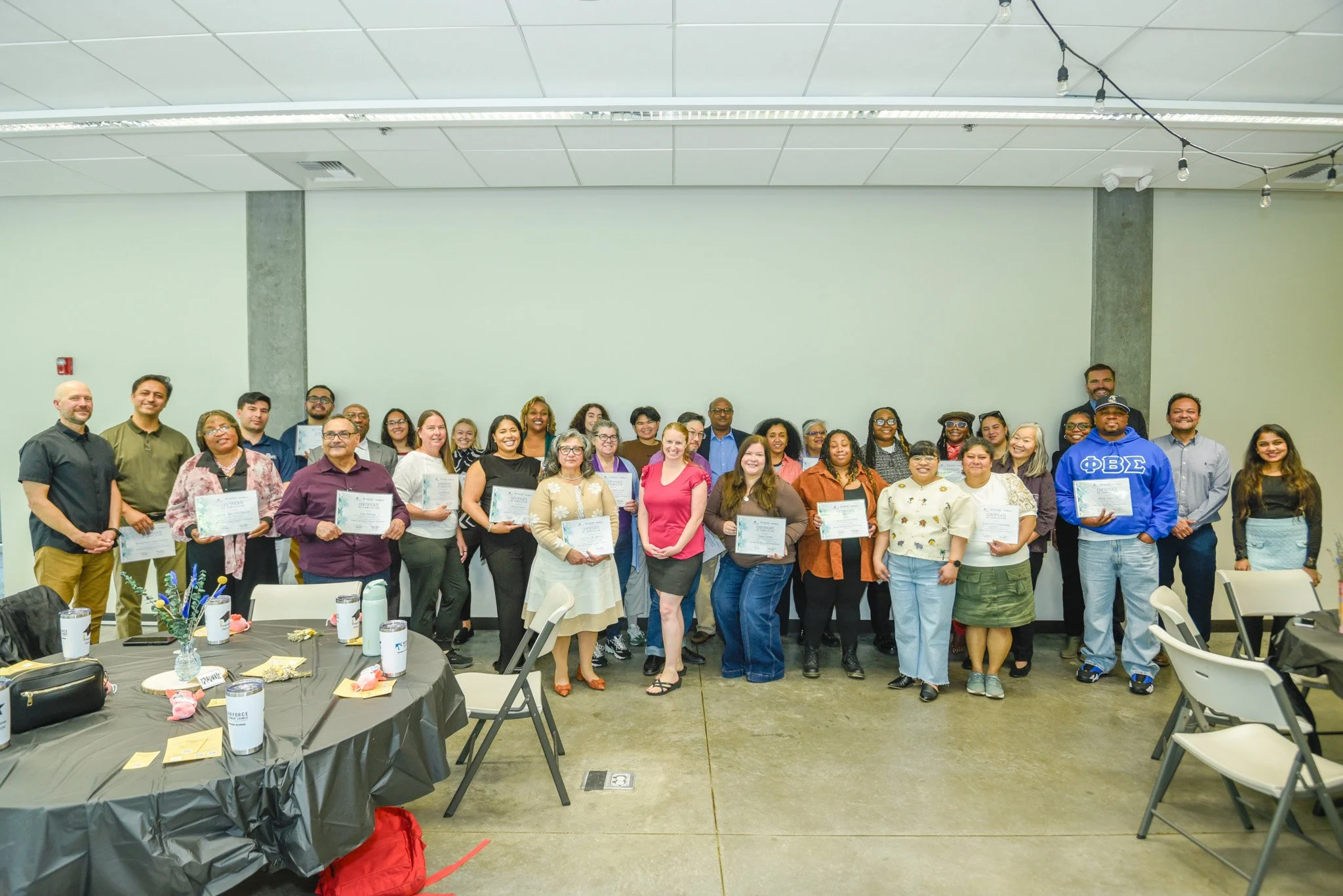
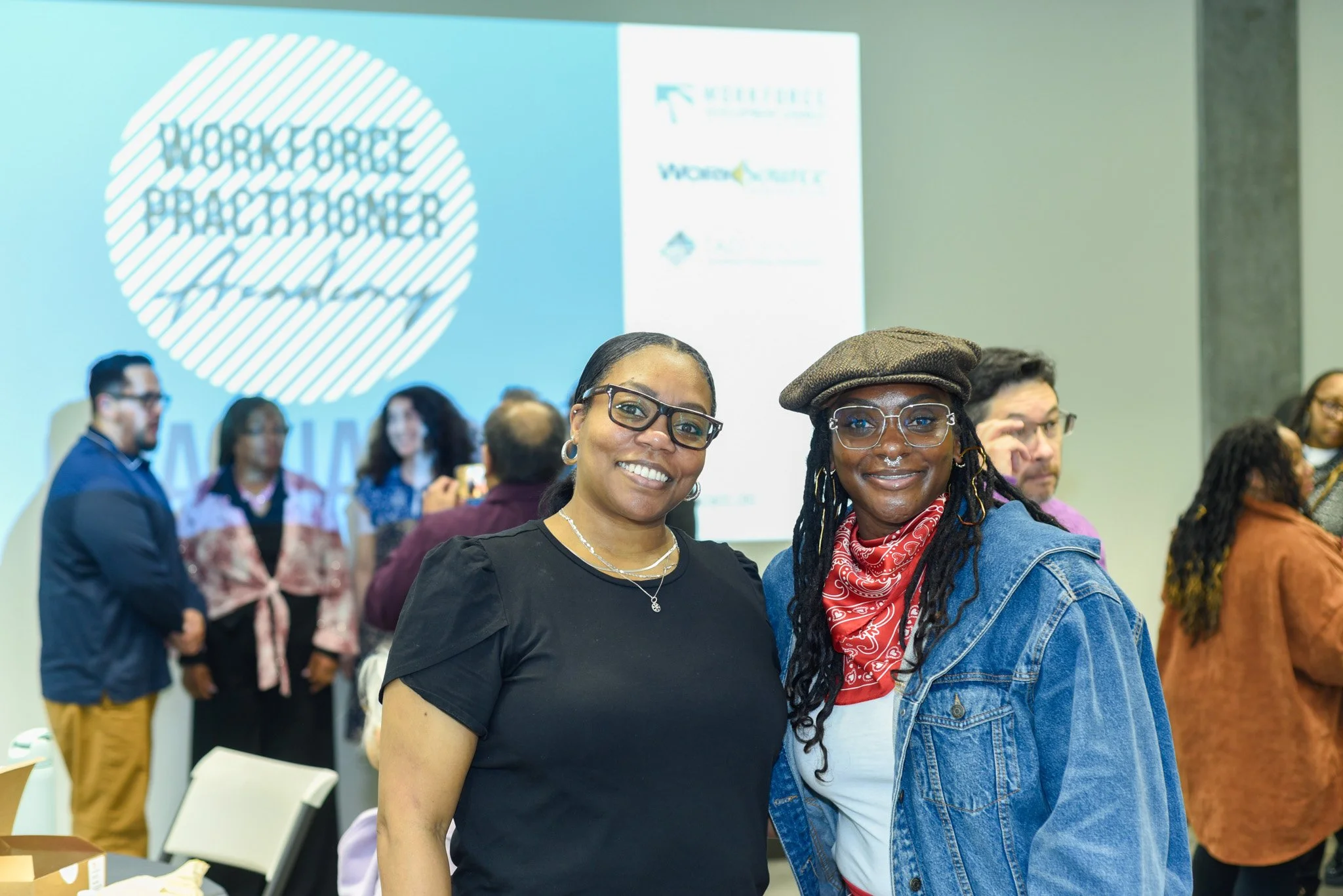
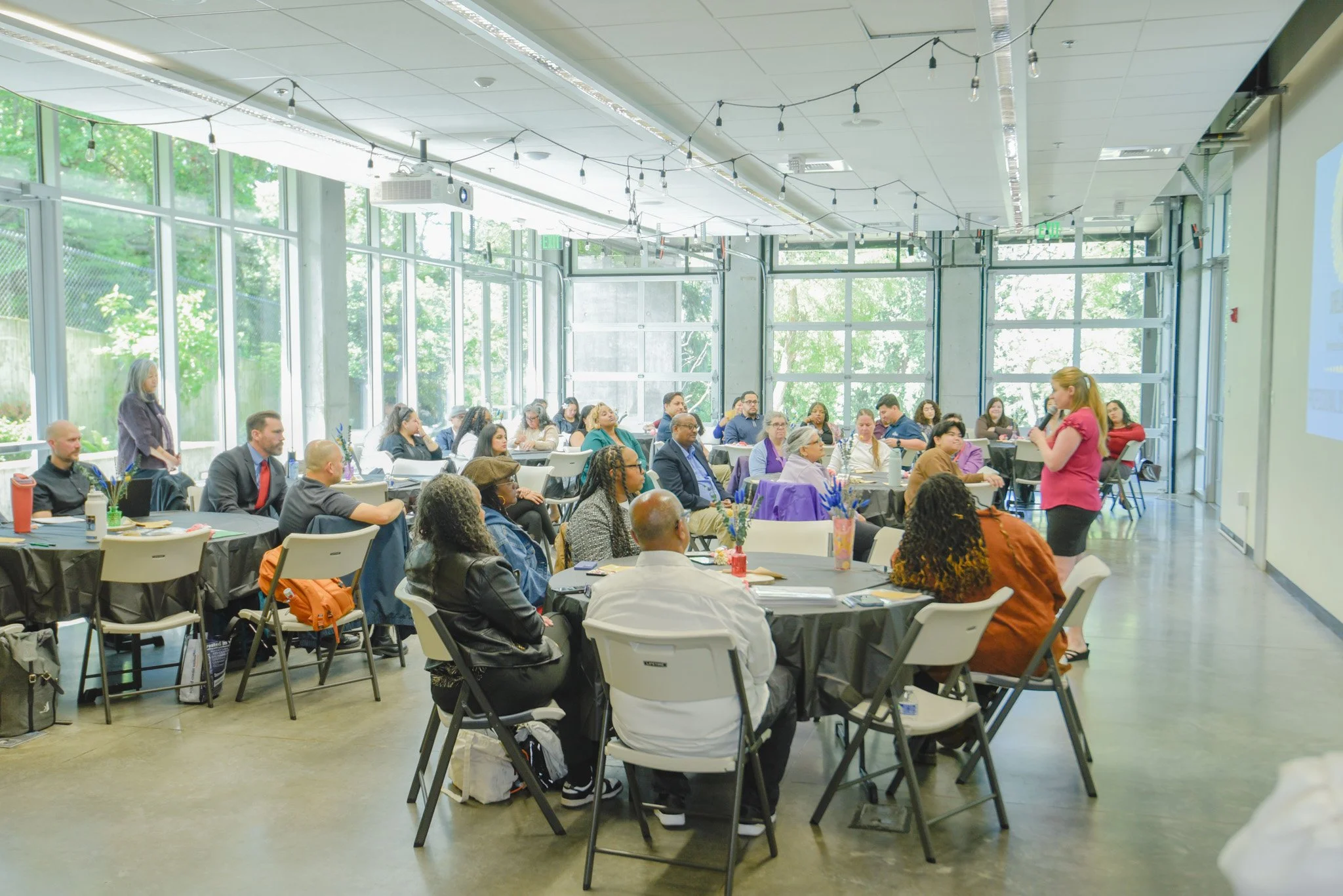
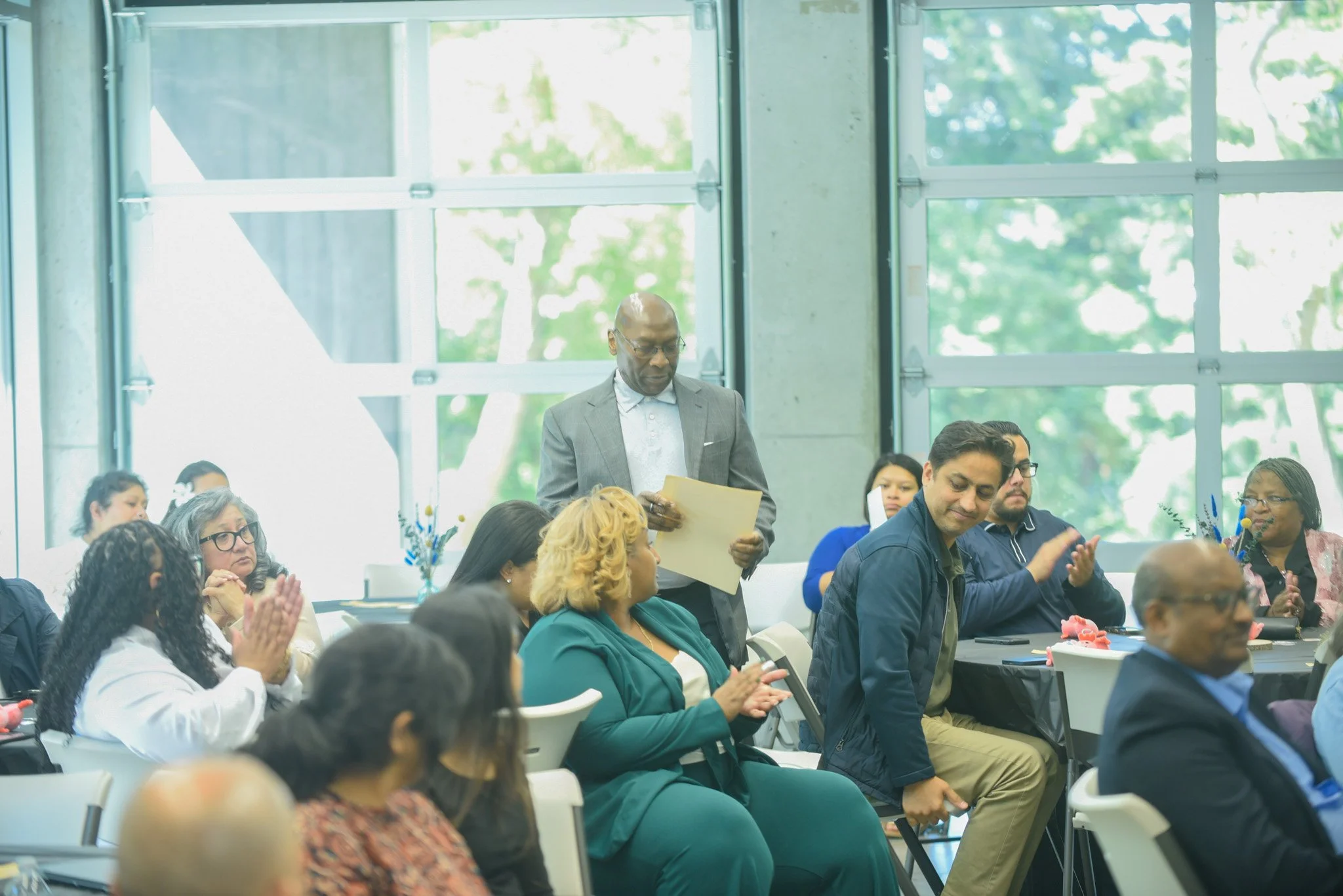
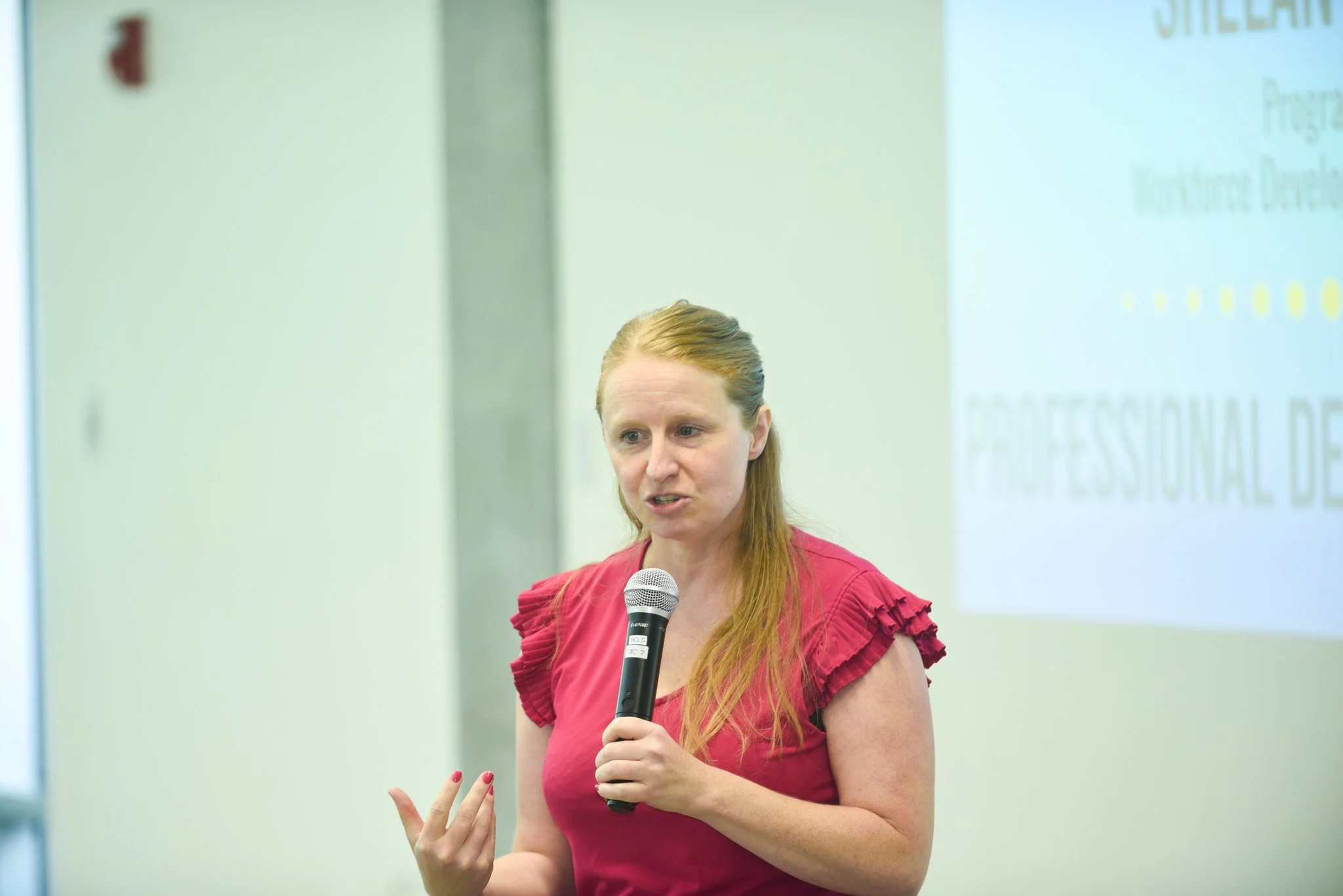
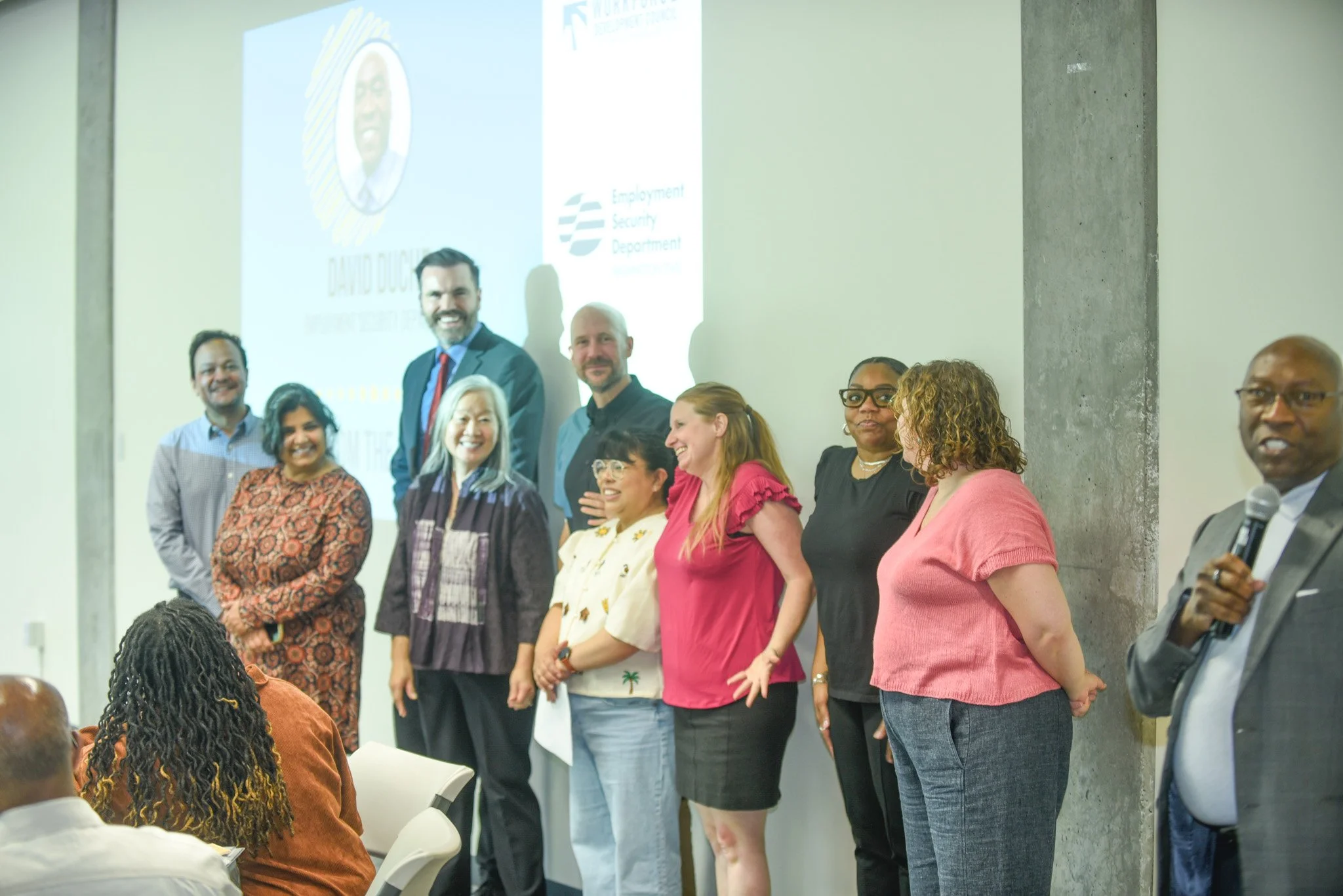
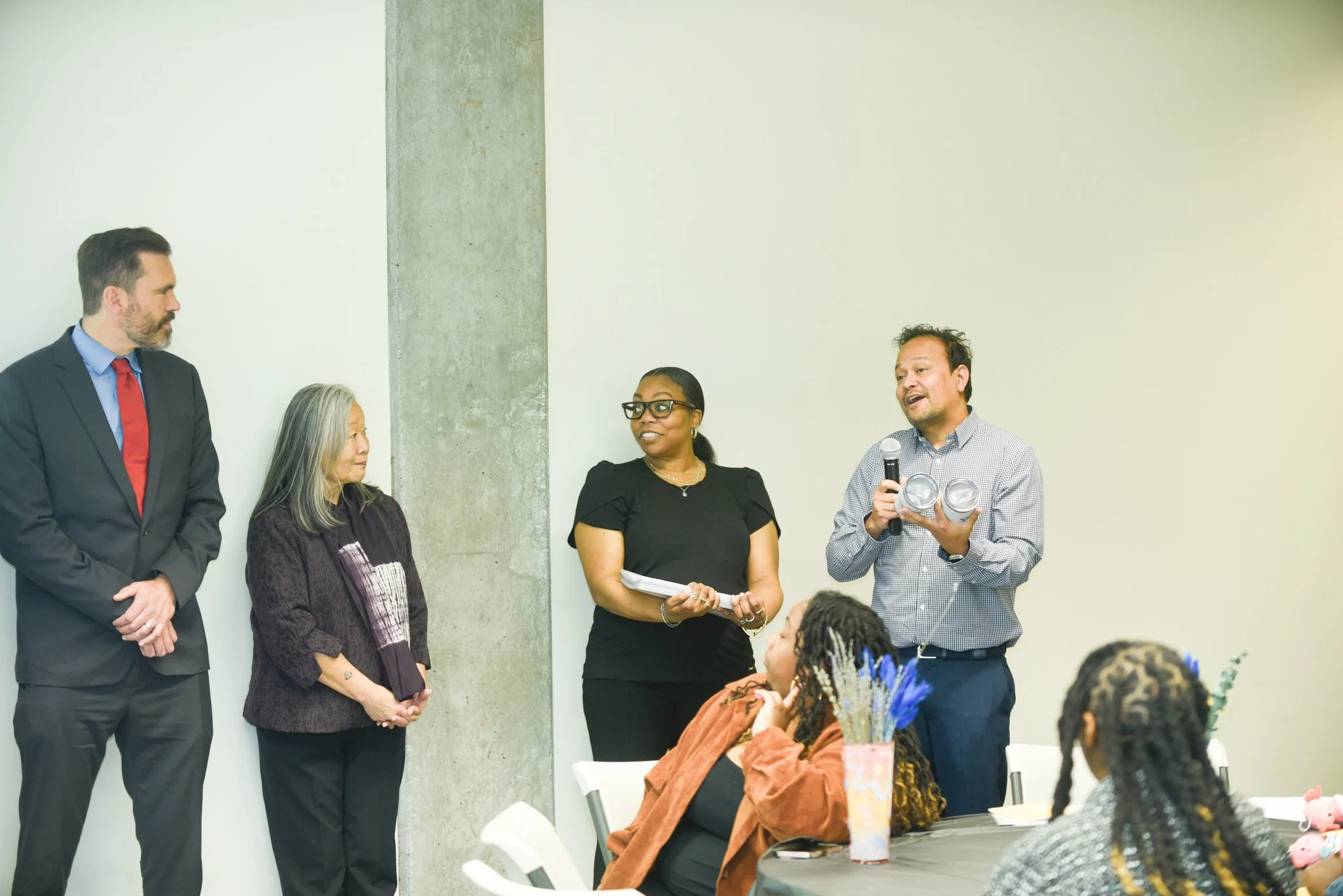
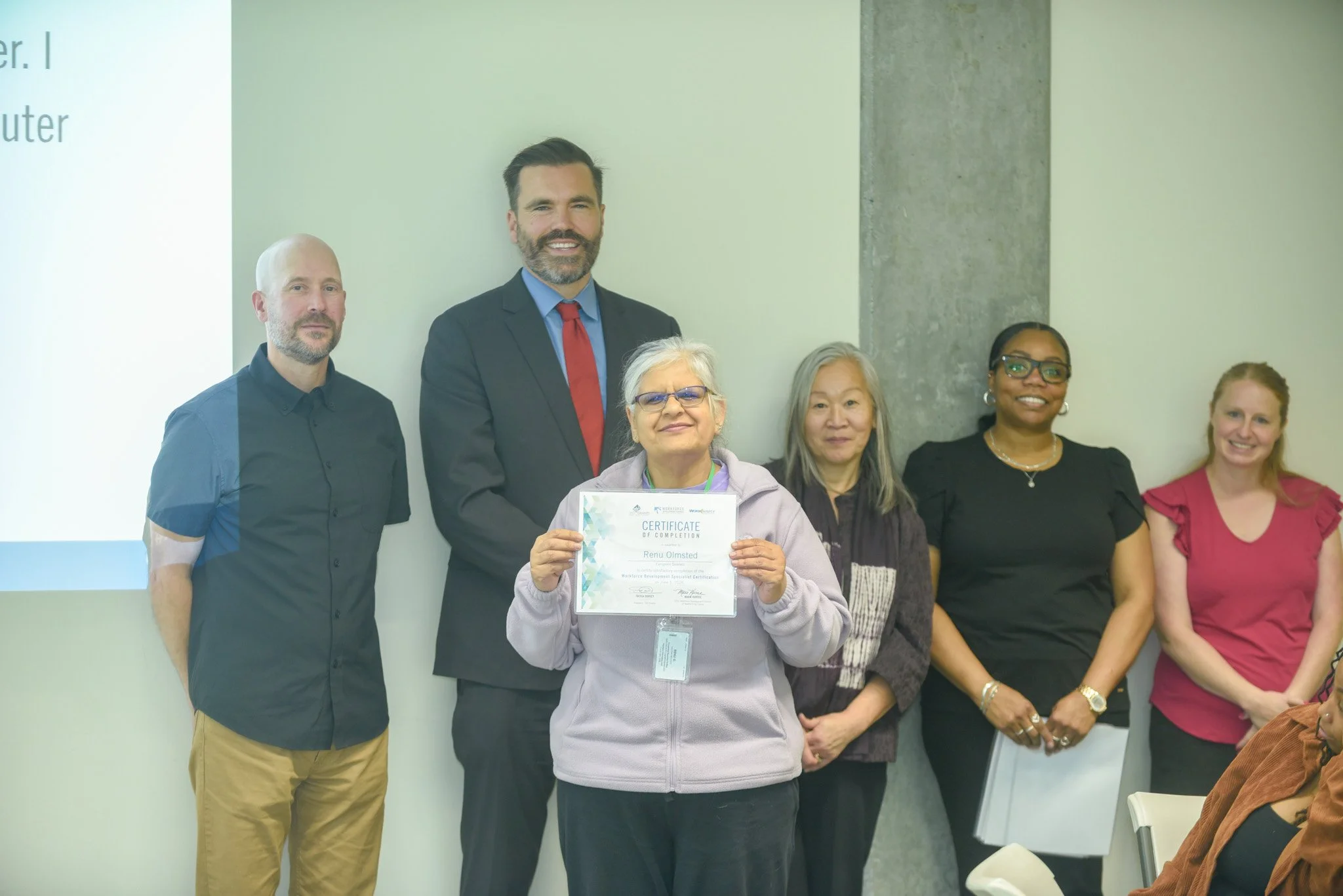
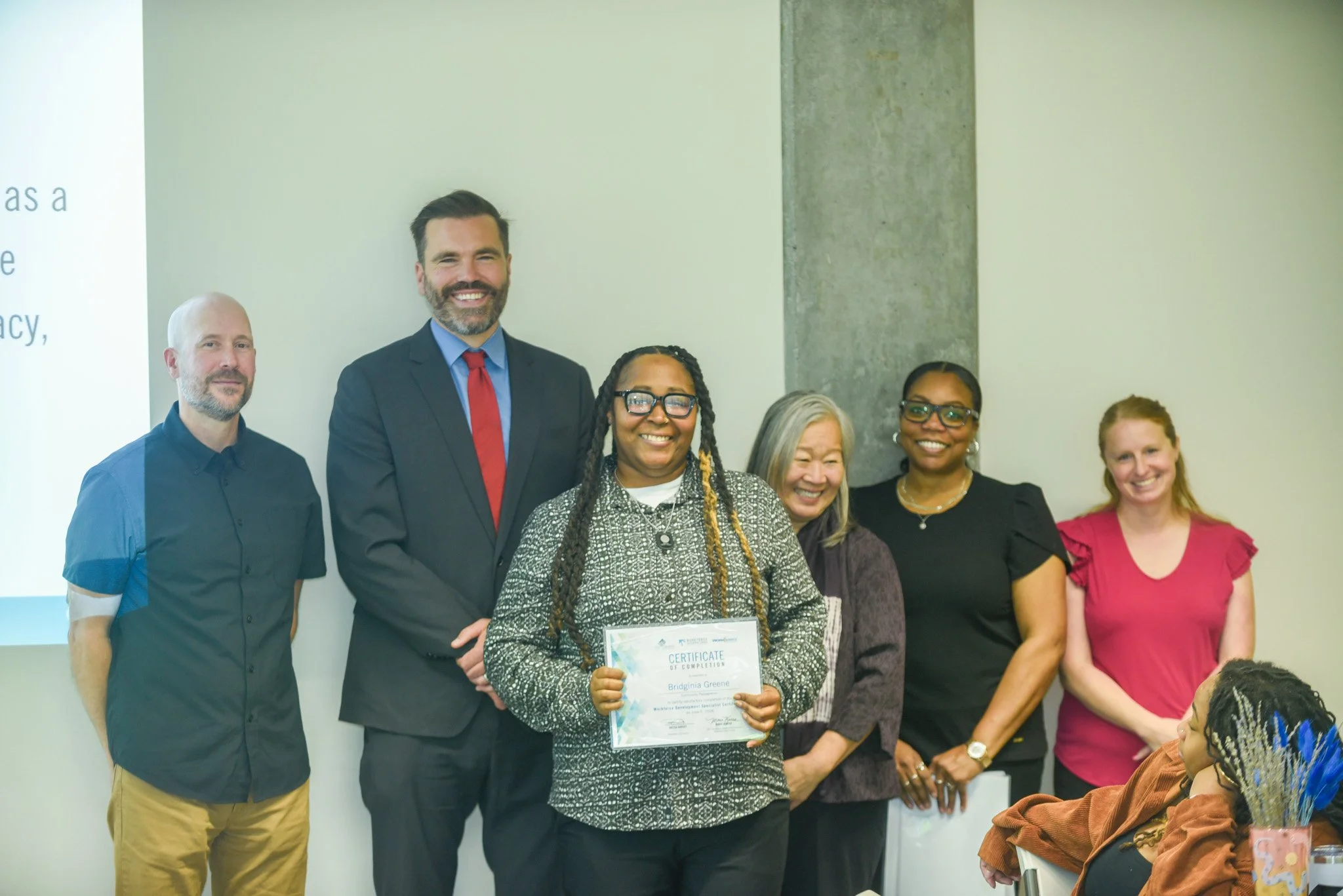
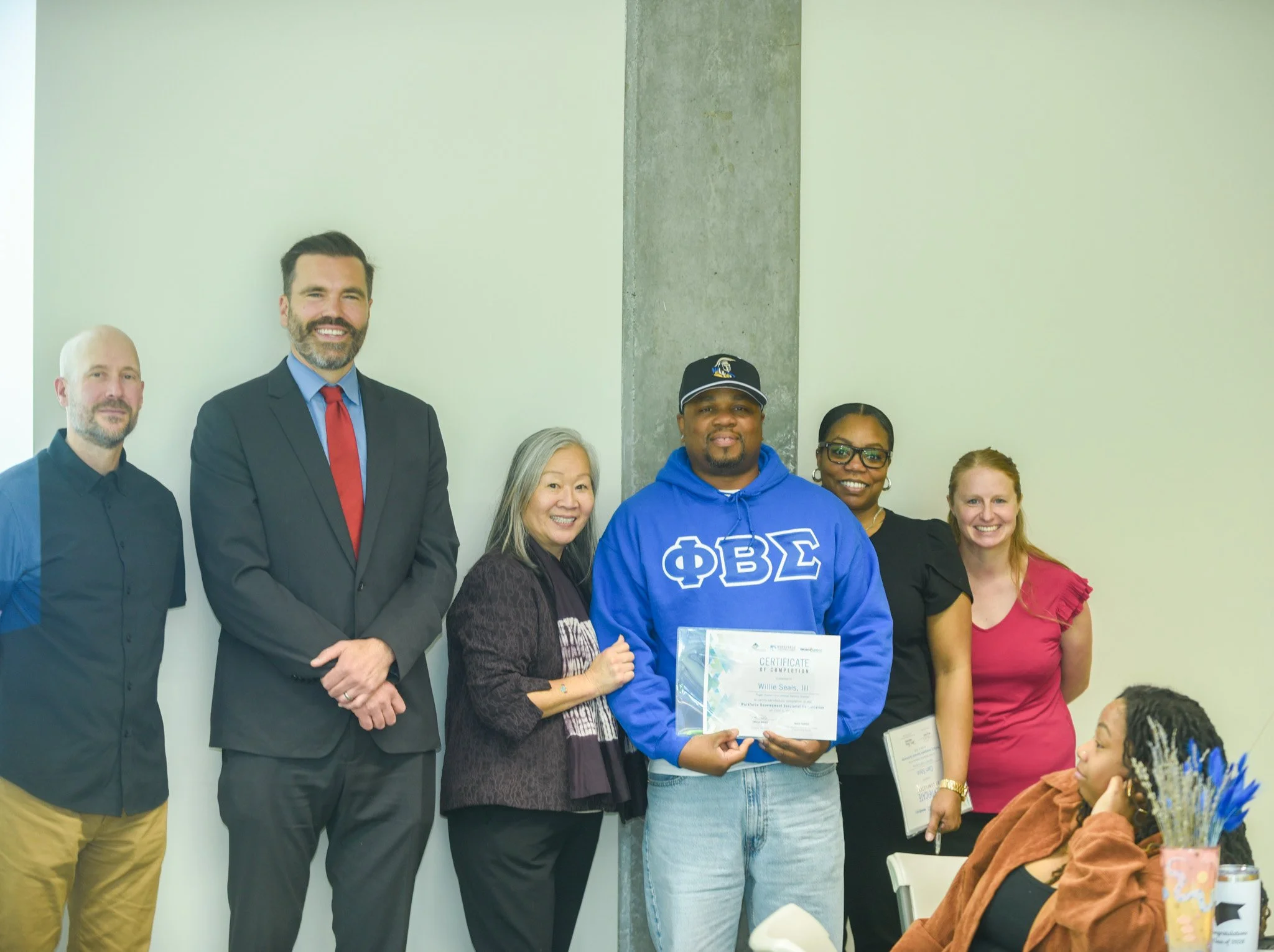
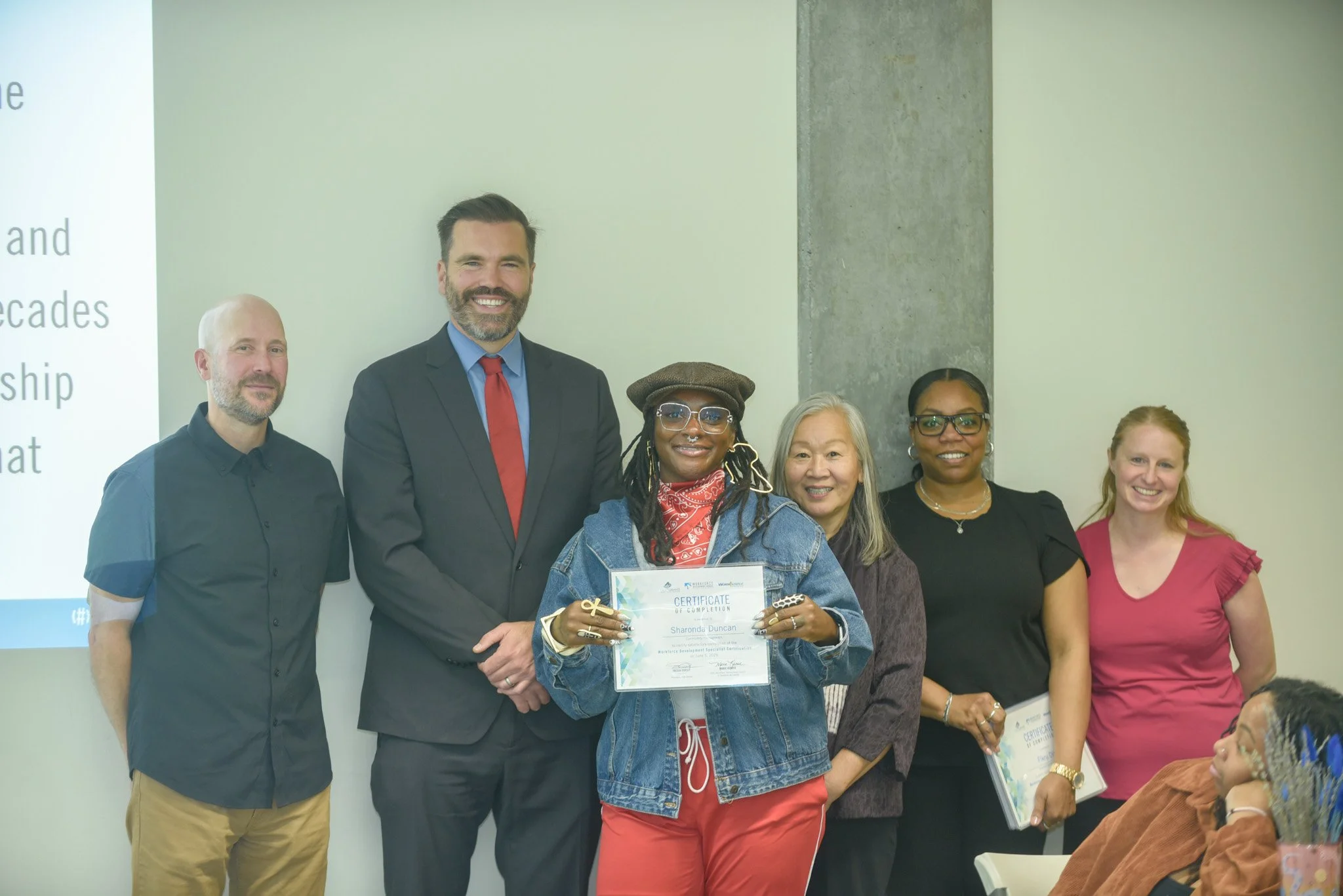
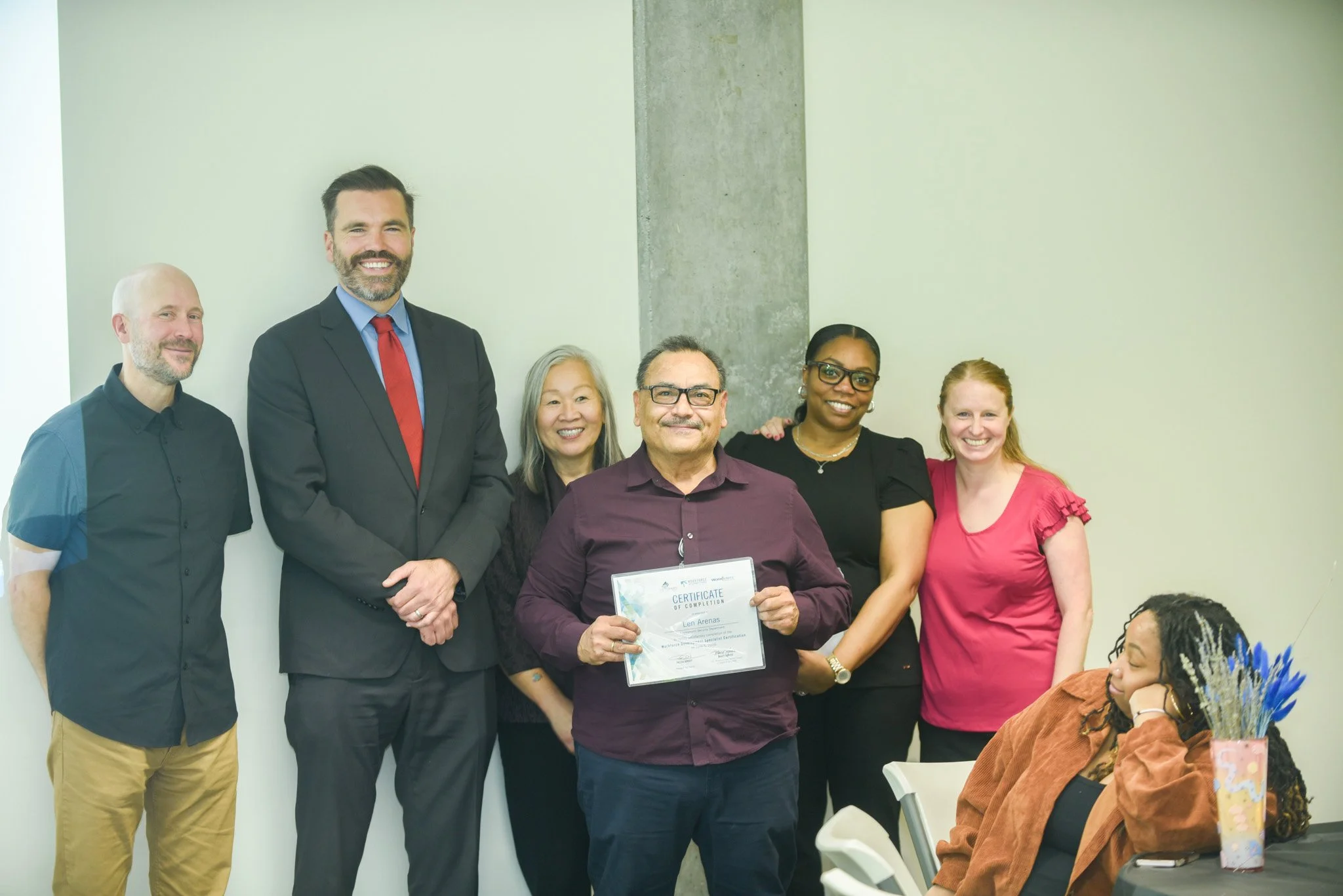
On June 5, 2026, 28 workforce practitioners gathered to celebrate what they had earned over months of rigorous learning, honest reflection, and peer connection: the Workforce Practitioners Academy Class of 2026 graduated.
The Workforce Practitioners Academy (WPA) is a professional development initiative run in partnership with WorkSource Seattle–King County, designed to strengthen the skills and professional practice of frontline workforce staff across the region. This year's cohort carries a distinction: the first youth-focused class in the Academy's history.
But the story of this cohort isn't just about what makes it historic. It's about what happens when you give the people doing this work — the case managers, employment specialists, navigators, and vocational counselors who show up every day for job seekers rebuilding their lives — the tools, language, and community to do it even better.
How the Program Works
The WPA is designed around the reality of practitioners' lives: people who are already doing demanding work full-time don't have the luxury of stepping away to learn. The program meets them where they are. Self-paced online modules form the backbone of the experience, allowing practitioners to build knowledge and work toward their Workforce Development Specialist Certification on a schedule that fits alongside their caseloads and their clients.
That independent learning is anchored by in-person touchpoints throughout the program — an opening orientation that brings the cohort together at the start, and the two-day Workforce Summit held just before graduation.
The Summit is where the online learning meets the room. This year, day one was led by Tressa Dorsey of TAD Grants, deepening practitioners' work toward certification. Day two brought in voices from across the region — including Michael Bailey of King County's Division of Adult Services, Edward De Jesus of Social Capital Builders, Julie Williams of TransfrVR, and Nicole Franklin of Enhanced Interaction — expanding how the cohort thinks about the people they serve and the systems they work within. By the time graduation arrived, the cohort hadn't just completed a program. They had built something together over time.
The Ripple Effect — What the Graduates Said
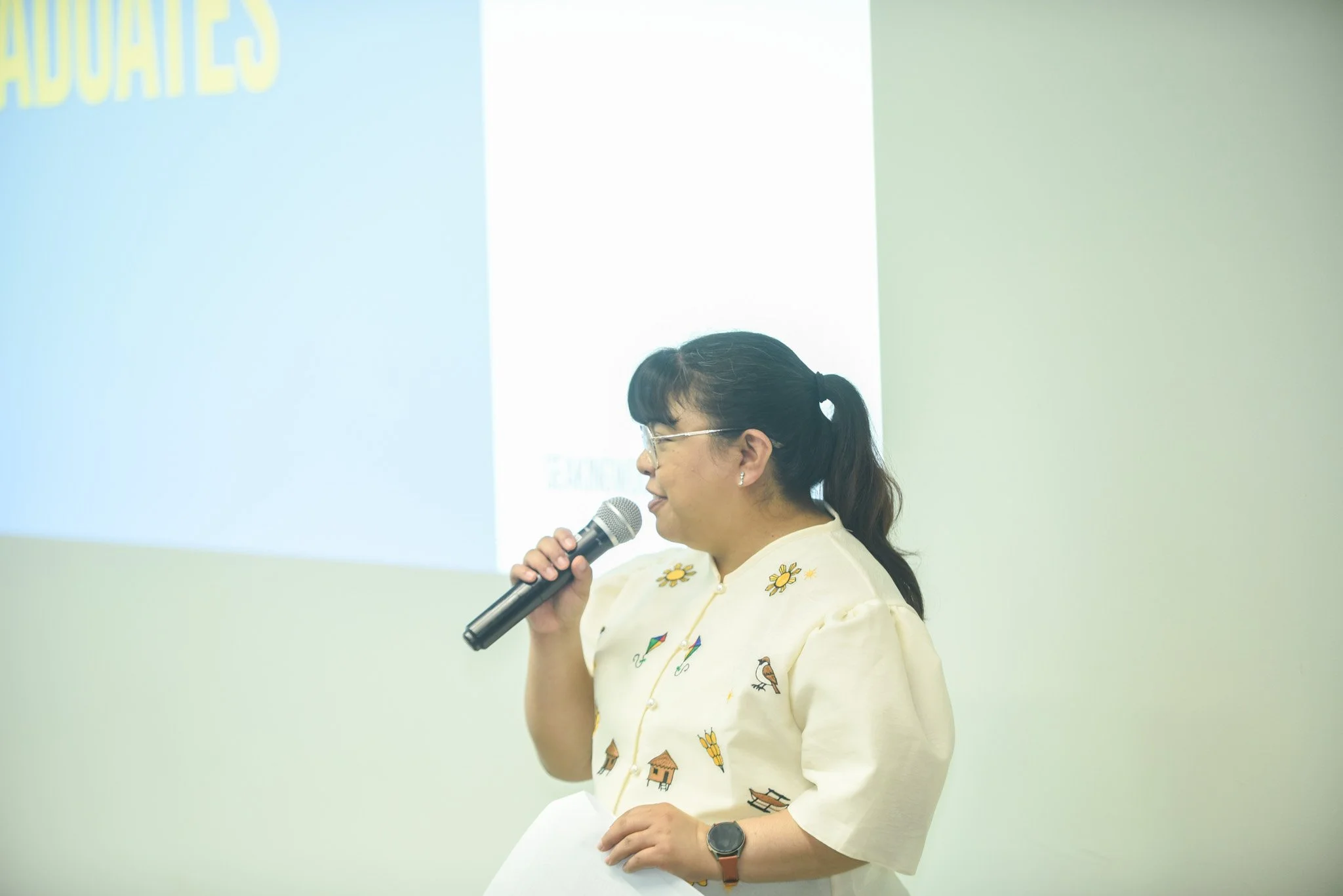
At the graduation ceremony, several cohort members spoke. What they described wasn't just professional growth; it was a shift in how they understand the work and their role in it.
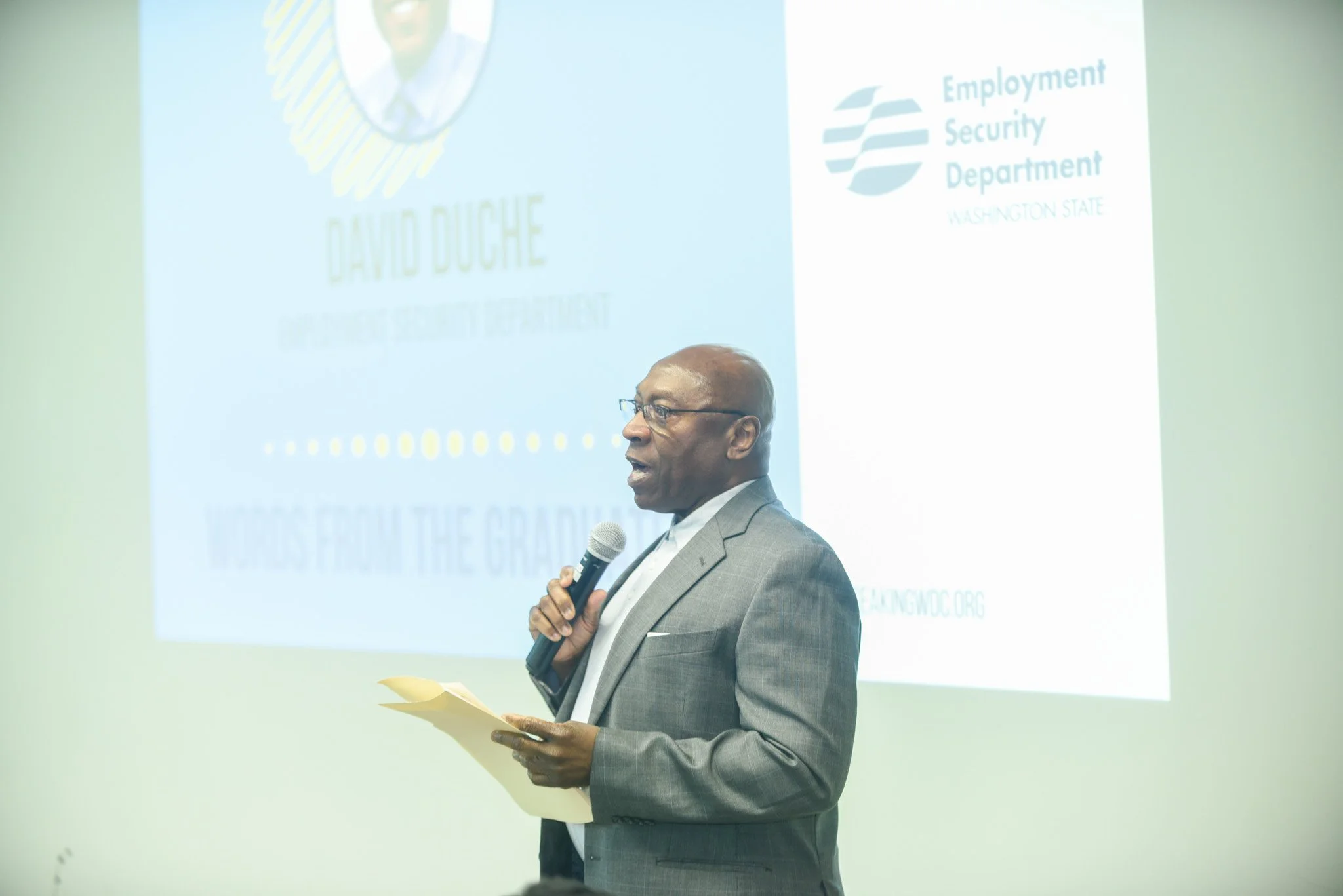
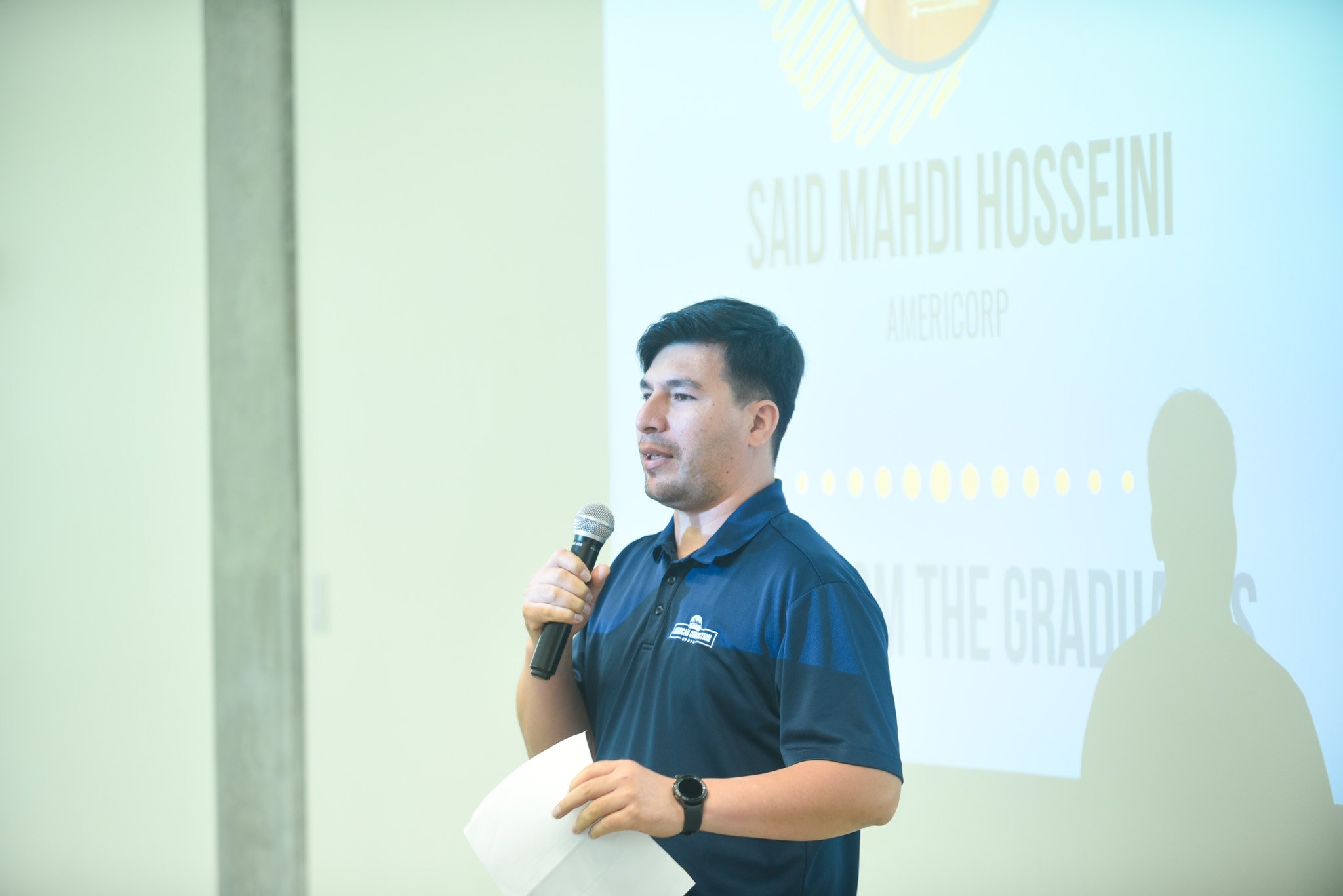
David Duche grounded his remarks in something immediate: the irreplaceable human dimension of this field, even as technology reshapes it.
"No algorithm can replace the moment someone feels seen and supported, no machine can replicate the patience it takes to guide someone through barriers, or the pride we feel when they succeed. This Academy didn't just sharpen our teaching skills, it strengthened our abilities to listen, to collaborate, and to lead with humanity."
- David Duche, Lead Employment Specialist, Employment Security Department (PROWD Program)
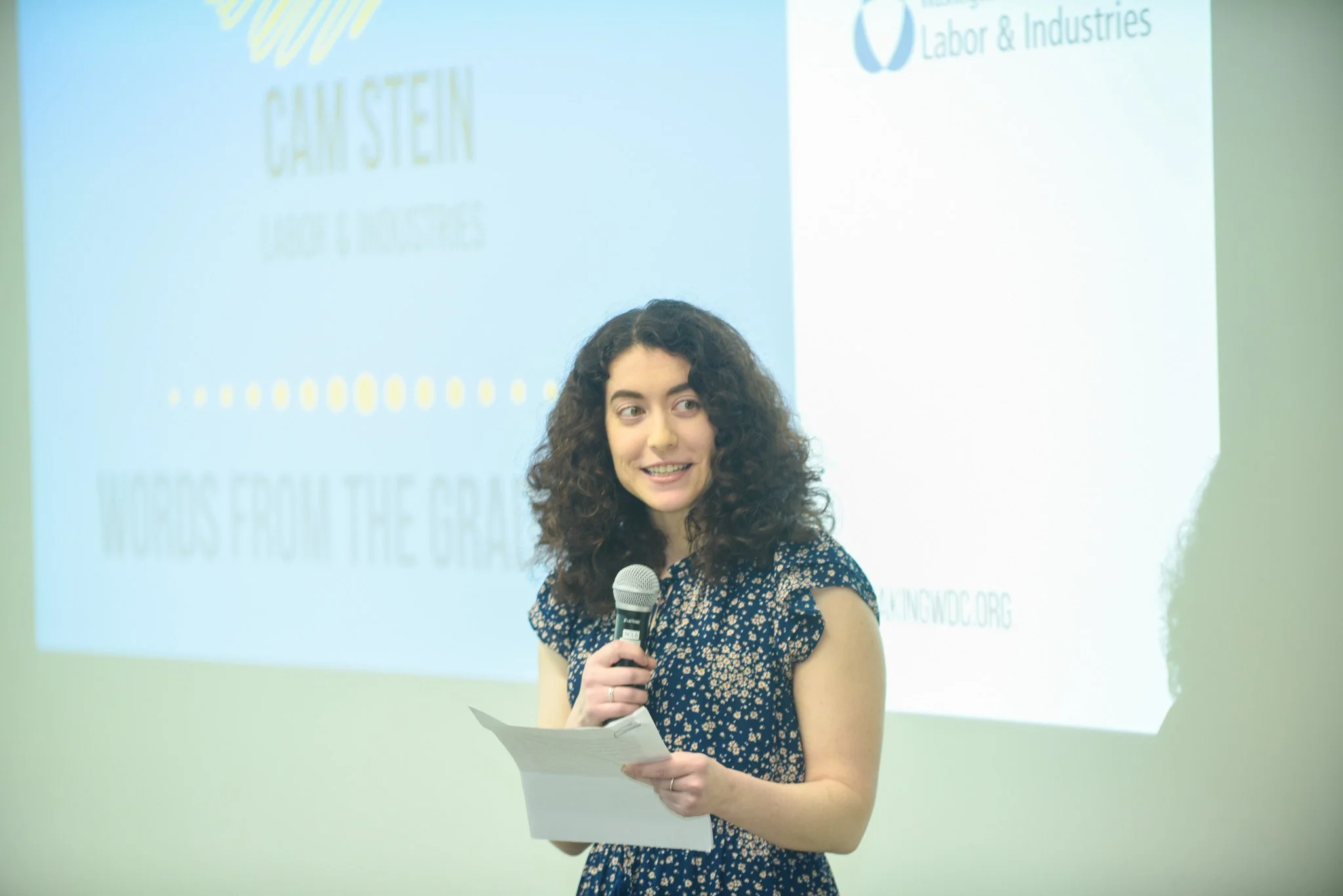
For Cam Stein, the Academy gave something harder to name but equally important: a framework for understanding why certain approaches work, and what could be stronger.
"What this program gave me was something I didn't fully realize I was missing: the language and the framework to understand why a method is effective, how to evaluate what can be strengthened, and how to more mindfully integrate what I know into a practice that truly serves my clients better."
- Cam Stein, Vocational Services Specialist, Department of Labor and Industries
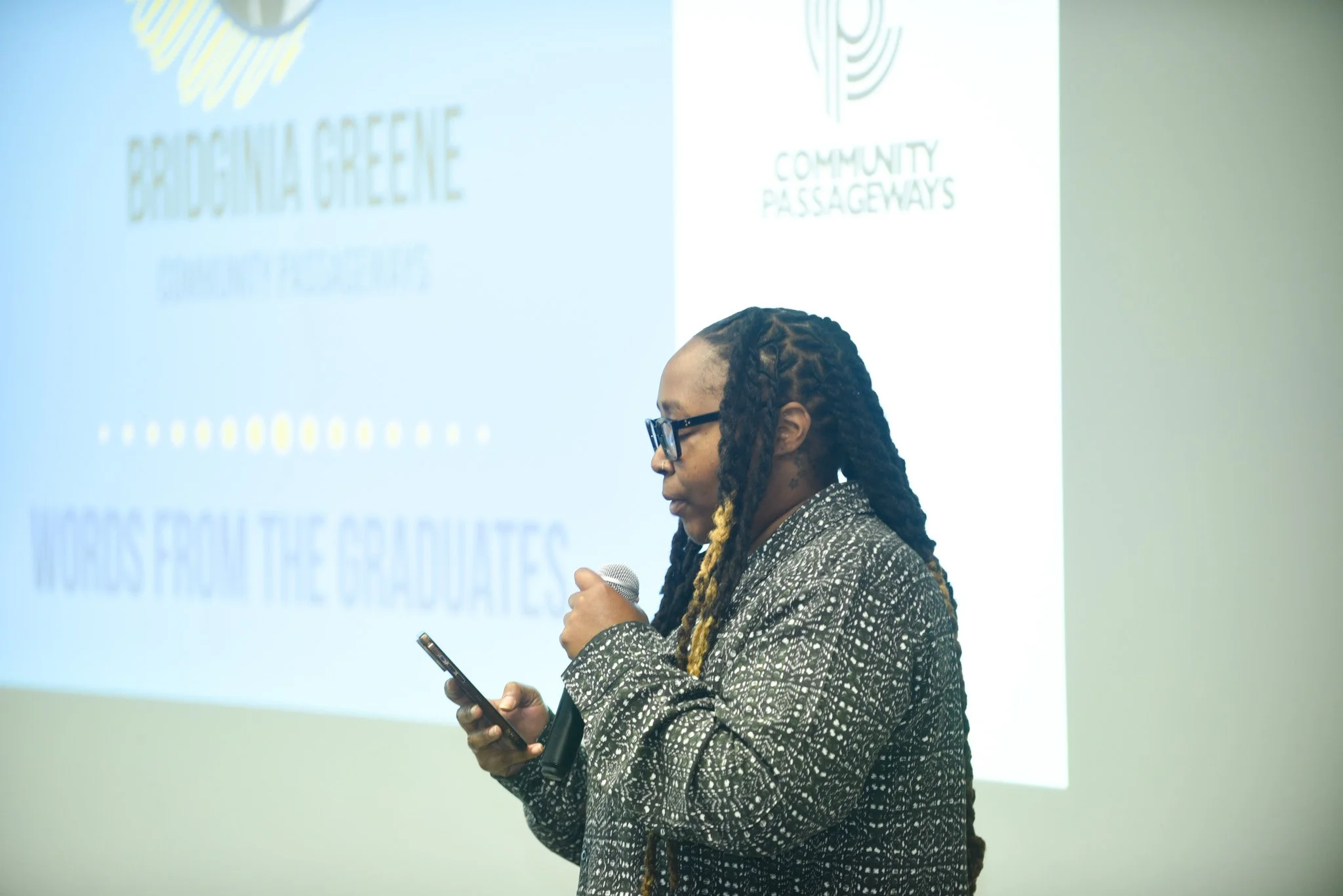
Bridginia Green named what this kind of development unlocks at a larger scale — not just better individual practice, but the confidence to change systems.
"This academy didn't just give us knowledge; it gave me confidence. Confidence to lead, to speak up, to innovate, and to continue improving the systems and services that impact the lives of so many people."
- Bridginia Green, Case Manager, Community Passageways
What the 2026 cohort described — a shift in language, confidence, practice, and purpose — is exactly what makes investing in frontline workforce staff a regional strategy, not just a professional benefit. Each of these 28 practitioners works with dozens, sometimes hundreds, of job seekers every year. When one practitioner strengthens how they listen, how they evaluate, how they advocate, the effect extends to every person who sits across from them.
Said Hosseini, a Digital Navigator with AmeriCorps at WorkSource Auburn, put it simply: "I'm actively implementing and applying this to my daily routine with every interaction I have with my customers and community members." That's the measure that matters — not just what practitioners learned, but what their clients experience because of it.
Why We Celebrate This Work
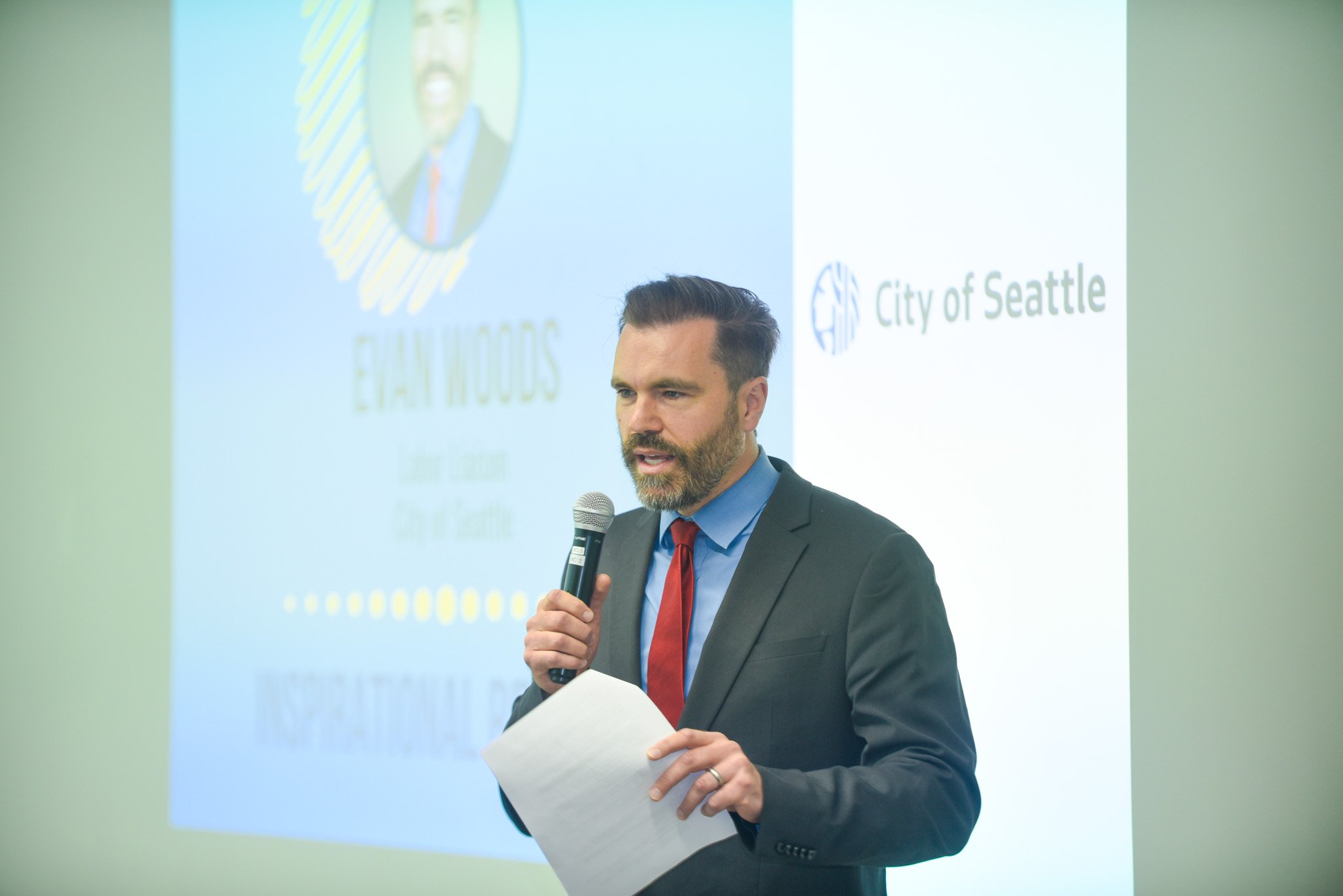
Evan Woods, Labor Liaison, City of Seattle
Evan Woods, Labor Liaison for the City of Seattle and a representative of Mayor Katie Wilson, has seen this work up close through his time with WeTrain Washington. As a speaker at the graduation, he noted that the skills these practitioners carry — cultural knowledge, language access, community relationships — are often dismissed as secondary, but he pushed back on that framing directly.
"These aren't soft skills. These are the bedrock infrastructure of the workforce system, and the Academy emphasized that."
- Evan Woods, Labor Liaison, City of Seattle
He also offered a candid observation about the field itself, drawing on something Workforce Development Council of Seattle-King County CEO Marie Kurose had shared with him: "We do a fantastic job of training and helping everyone else but ourselves. We don't train ourselves, and that's a little bit ironic." The Academy, Woods said, solves exactly that problem — building a cohort that learns best practices, develops skills, earns credentials, and forms lasting connections with a community of practice.
For Mayor Wilson's office, the stakes are clear. In a city grappling with affordability, homelessness, and public safety, the path forward runs through equitable access to good jobs — and that access depends entirely on the quality of the workforce professionals guiding people toward them. Investing in practitioners isn't a peripheral concern. It's central to the work.
This work, as Woods noted, "is not always seen, it's not always really understood, it's definitely not always resourced, and it's not always celebrated." The graduation of the 2026 WPA cohort was a chance to do all four — and to recognize that when workforce professionals invest in themselves, the people they serve are the ones who benefit most.
Congratulations to the Class of 2026. The region is better for your commitment.
Know a workforce practitioner who should be part of the next WPA cohort?
The Academy is looking for frontline staff who are committed to growing their practice and strengthening the field alongside their peers. Nominate yourself or your workforce practitioner colleagues today!
You can also learn more about this year’s cohort by viewing our virtual program guide.
Photography credit: Joseph Ntumba (www.disankacreative.com)