

Community Reinvestment: Partners Share Their Impact at EcSA/CRP Summit
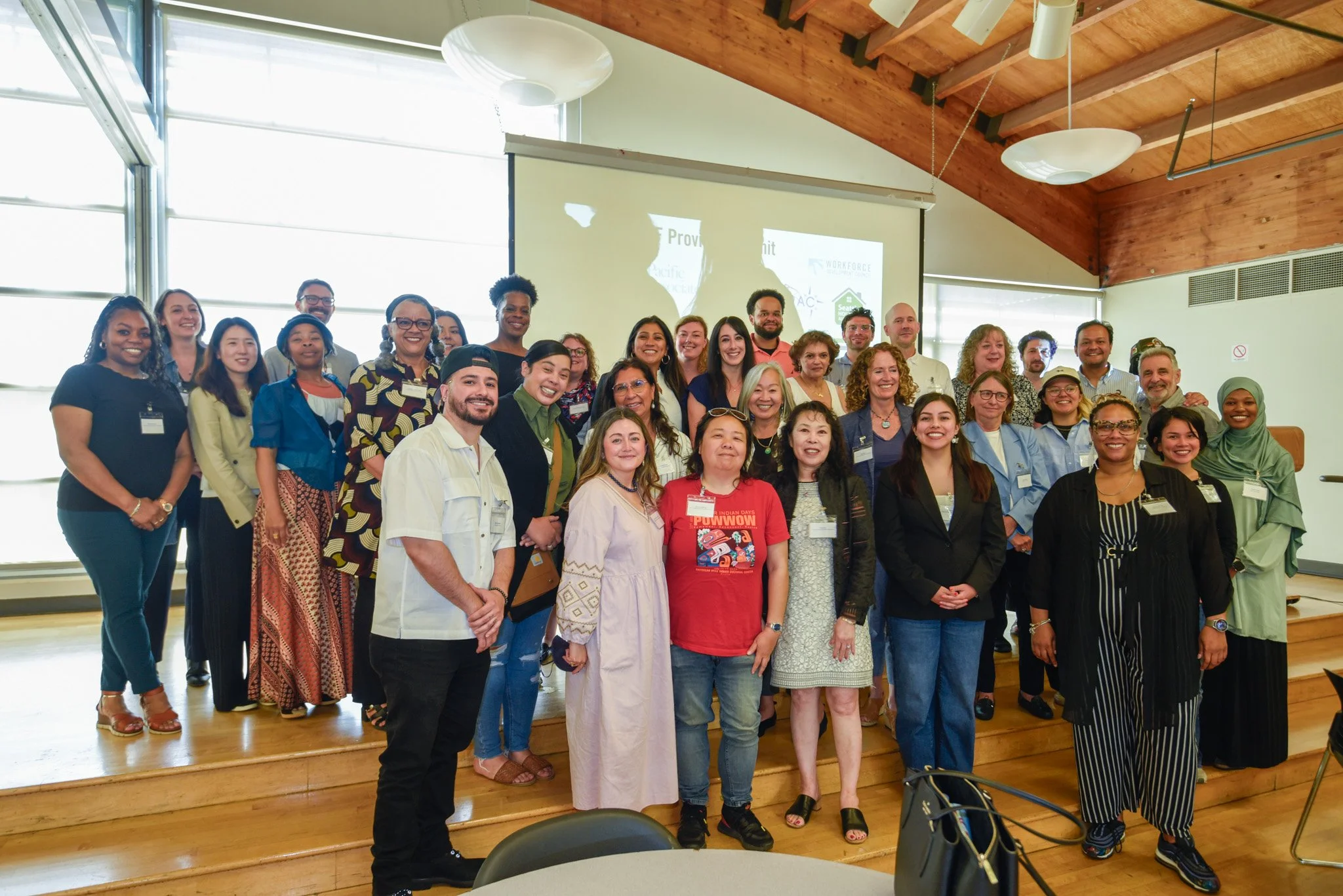
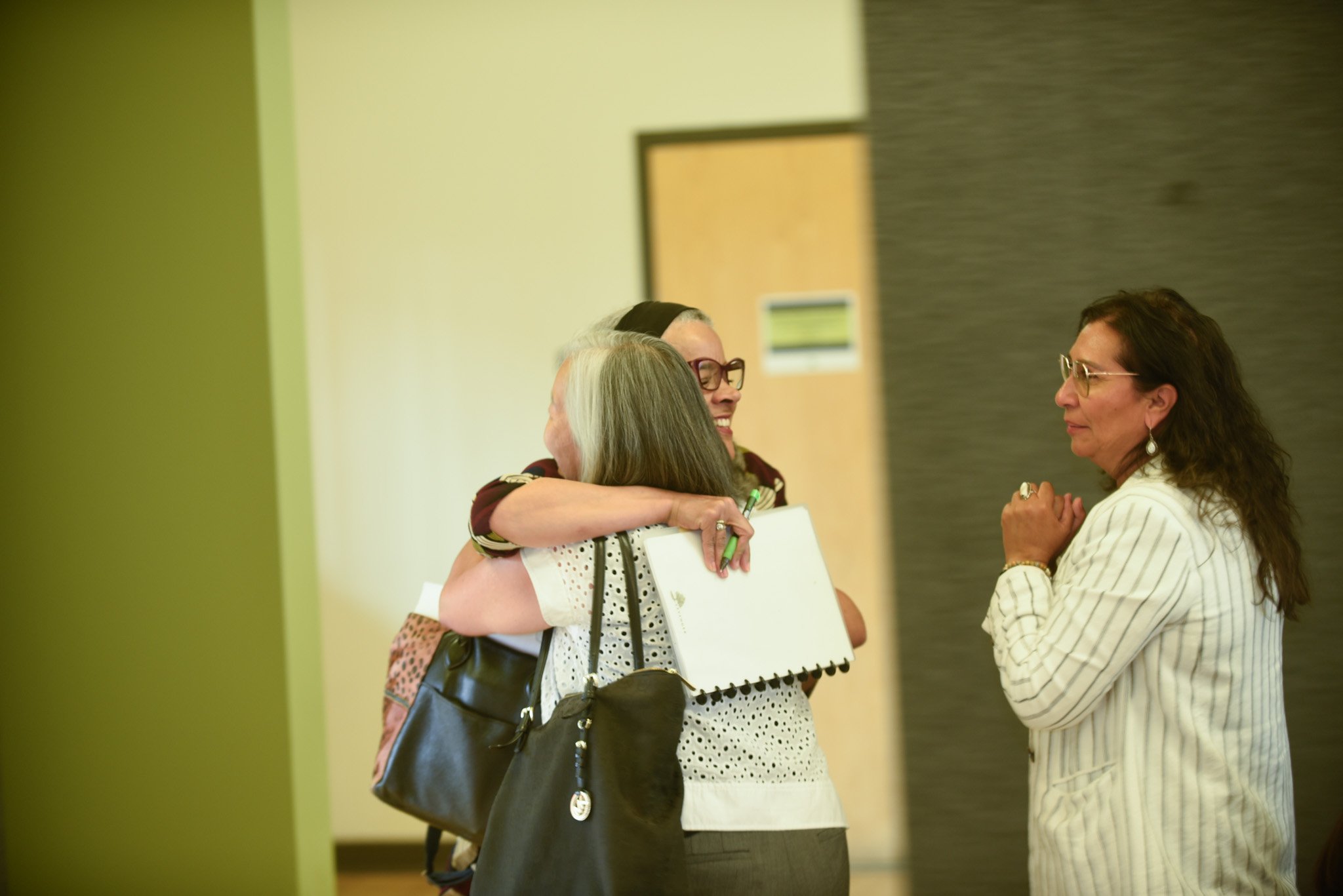
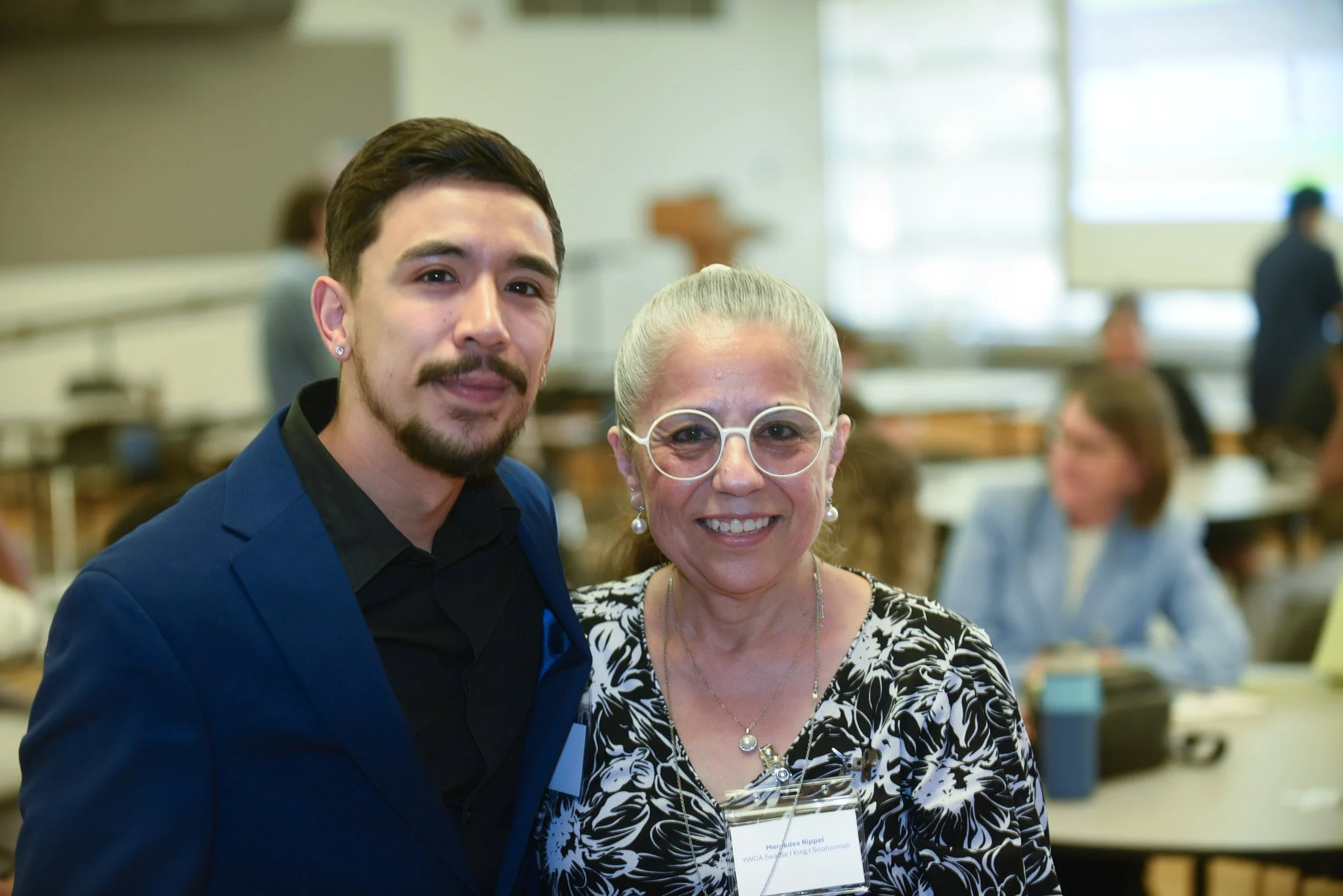
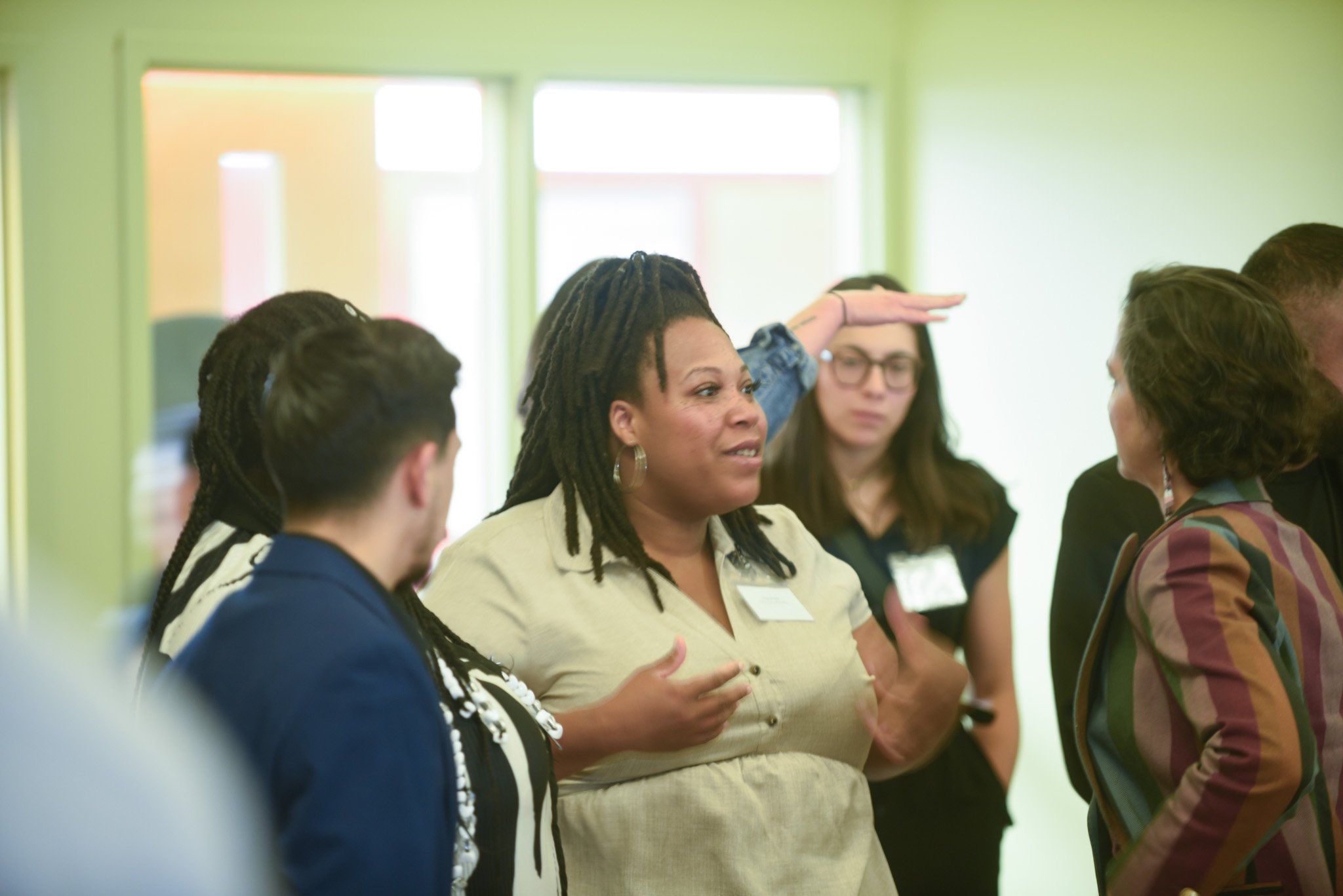
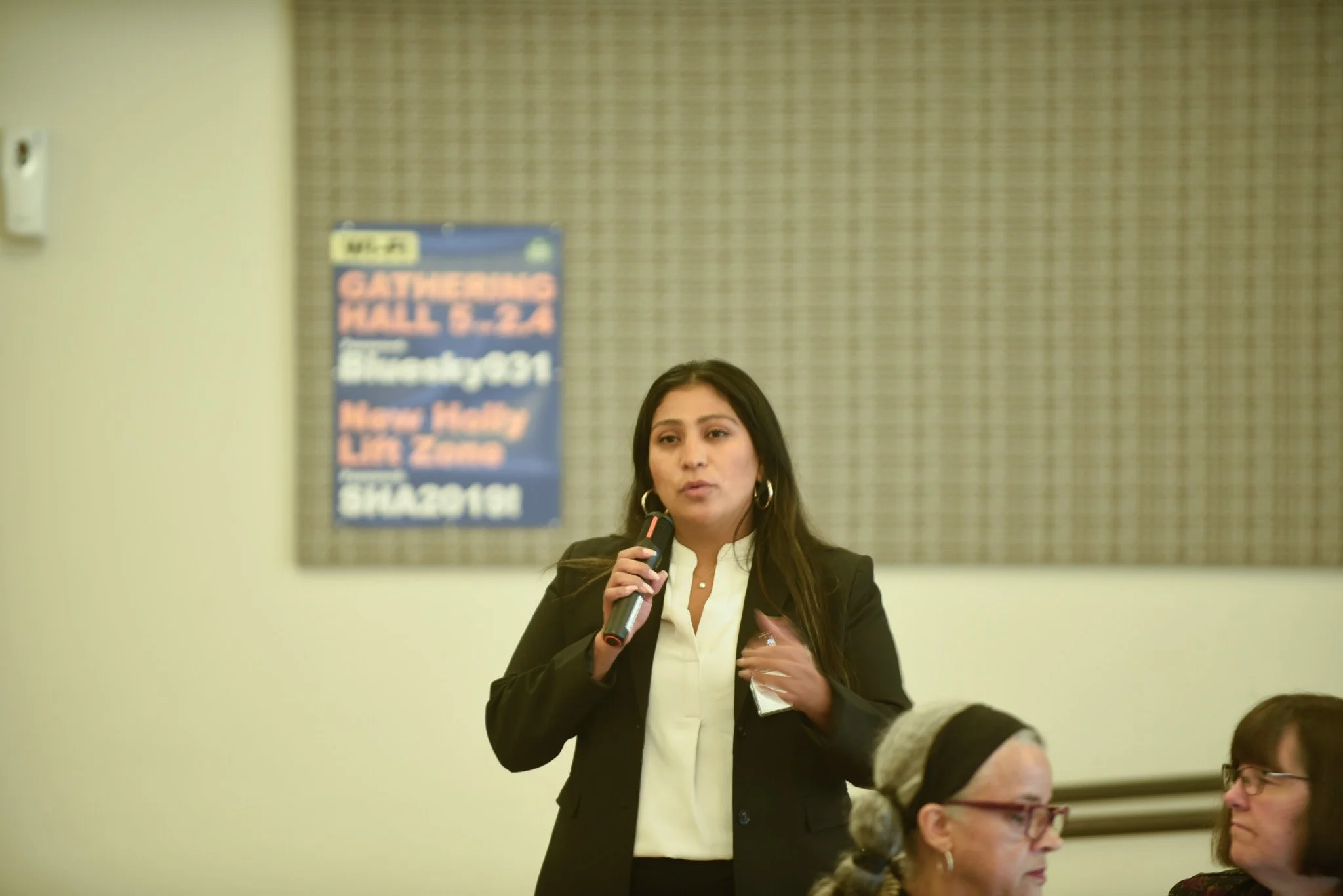
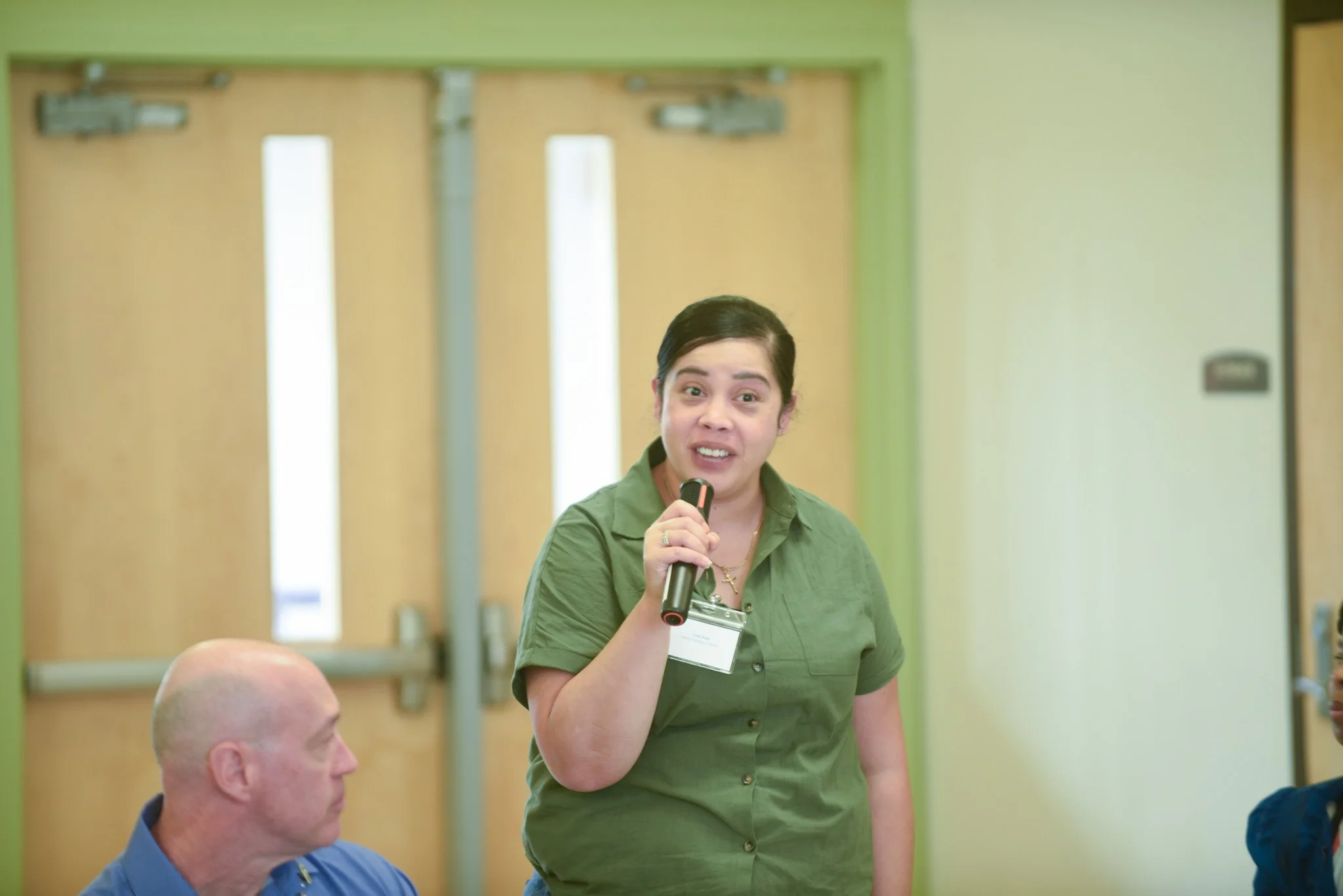
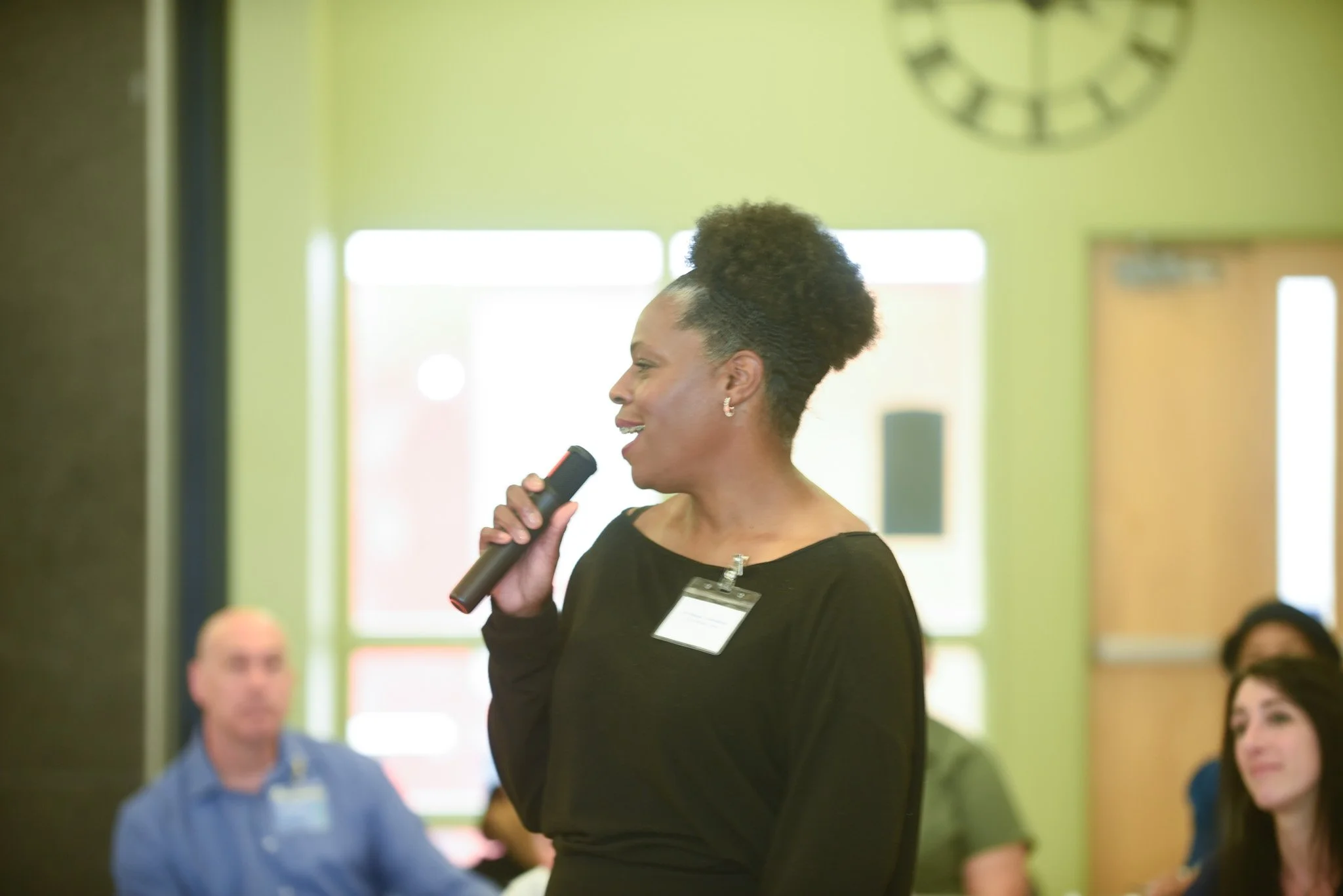
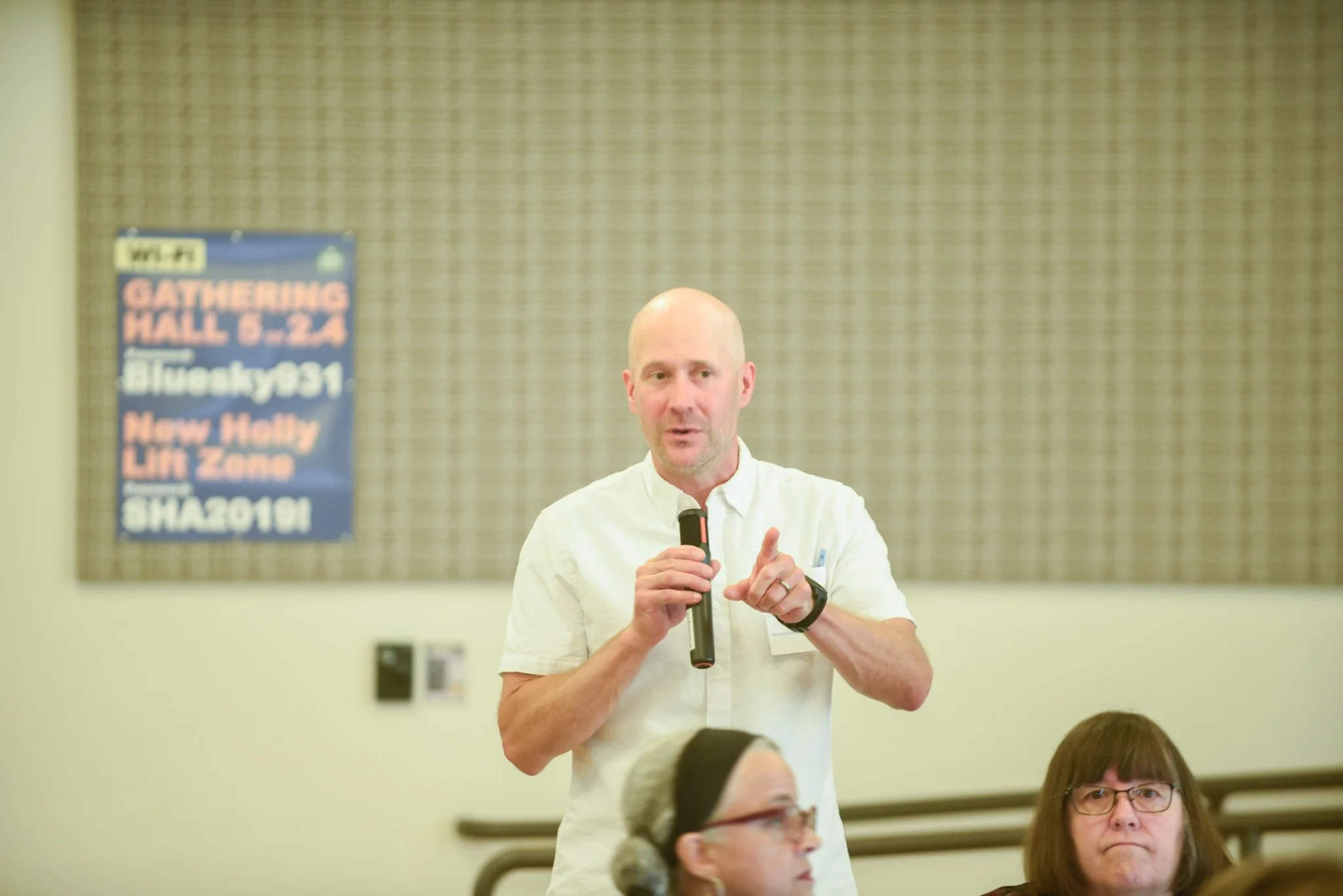
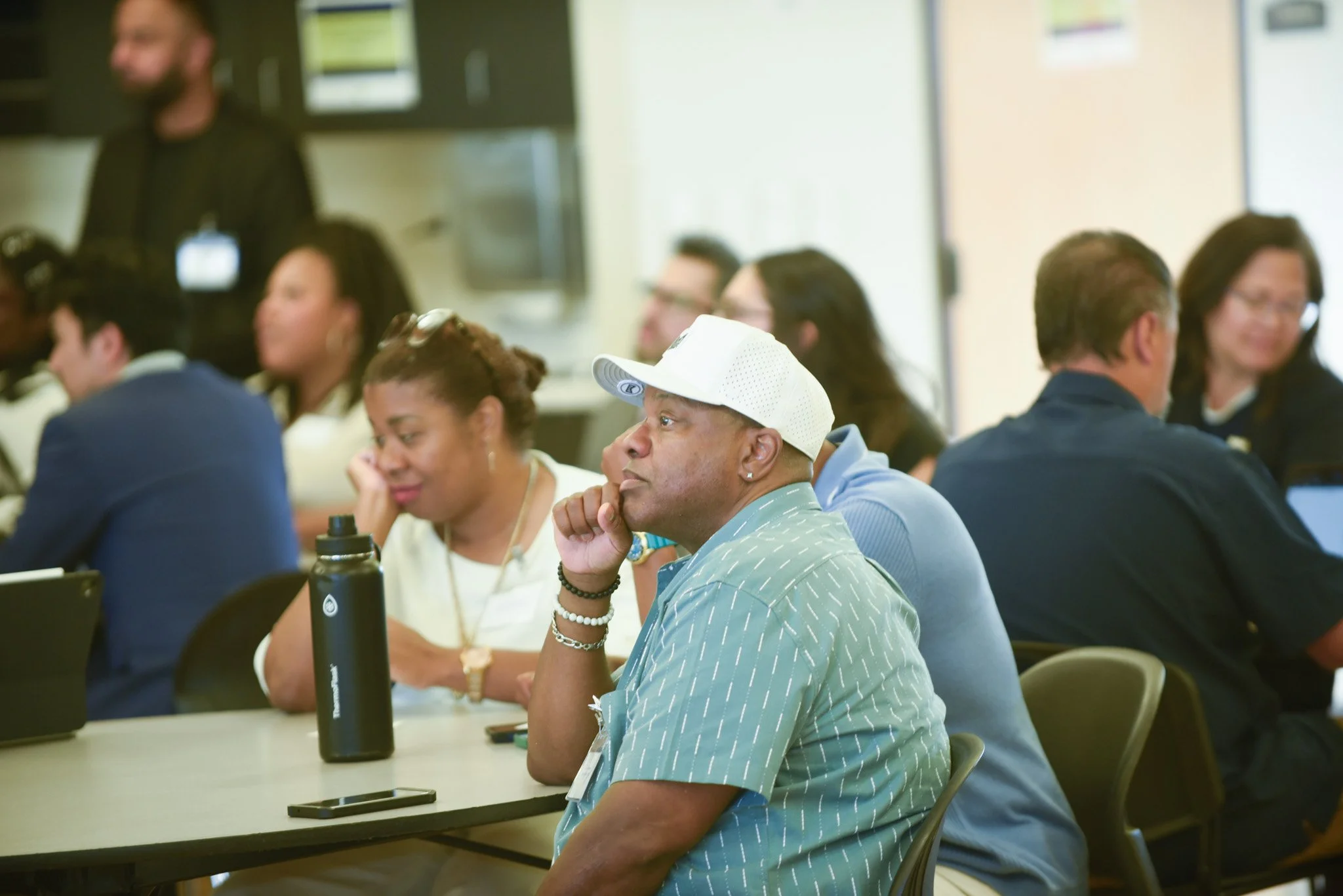
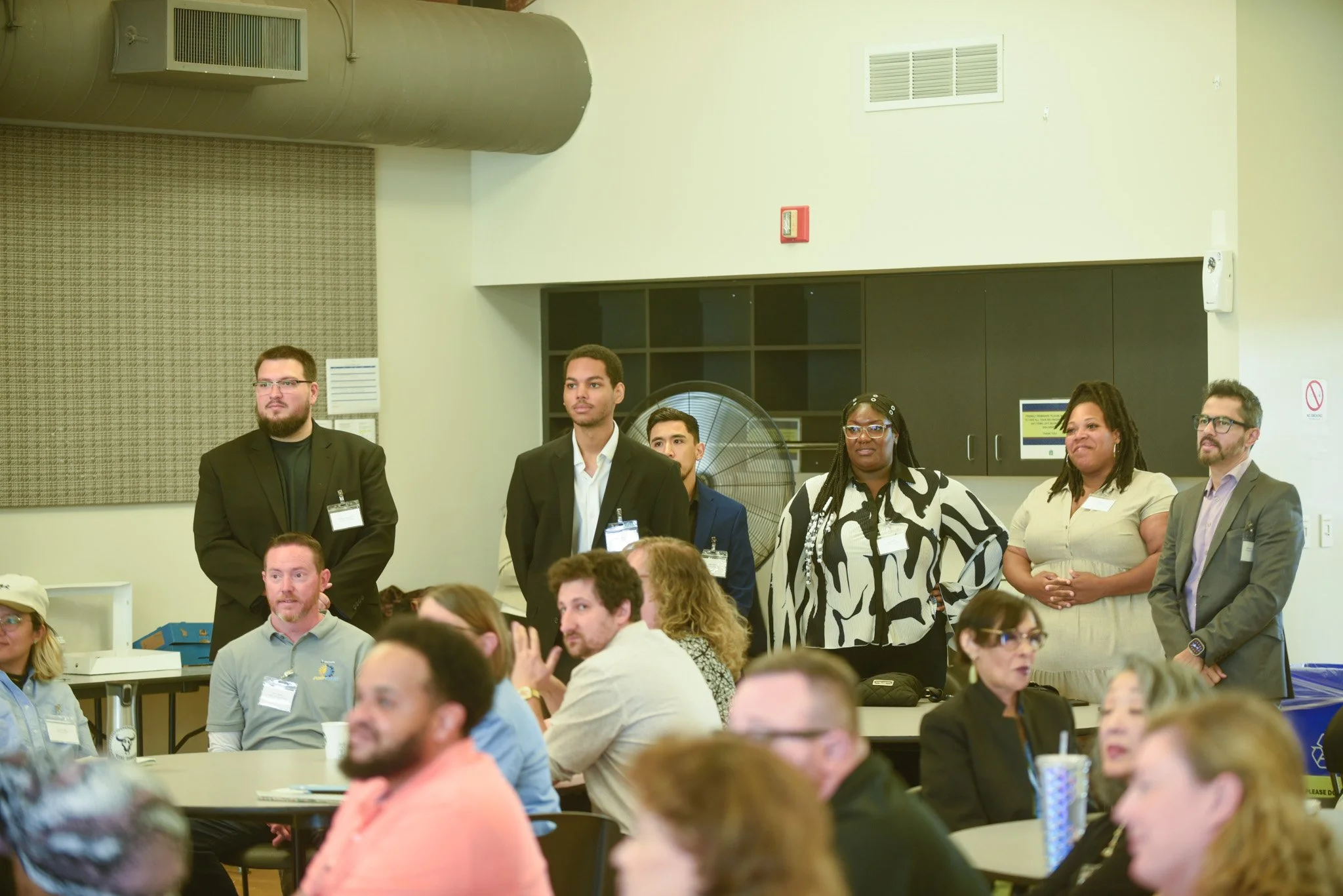
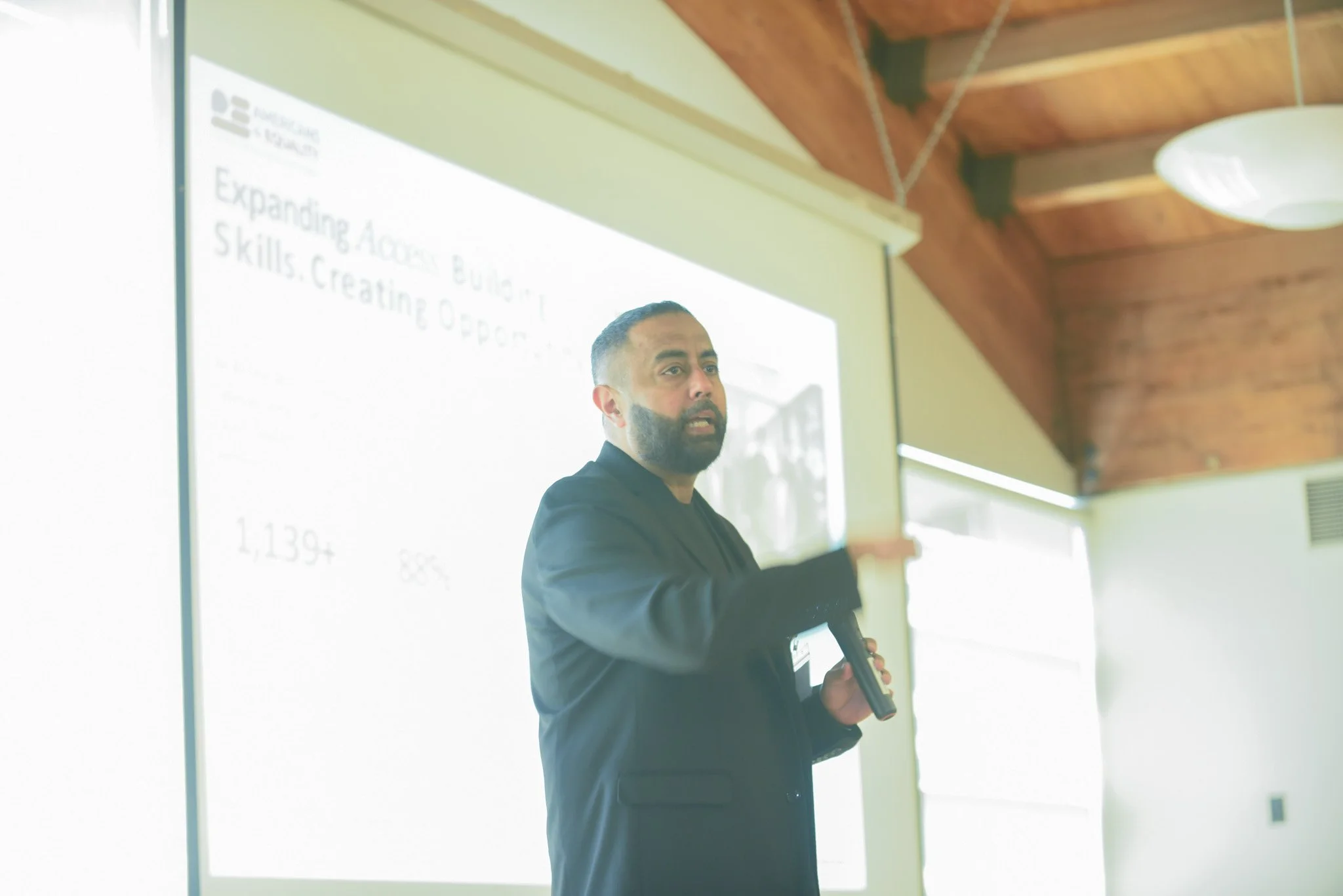
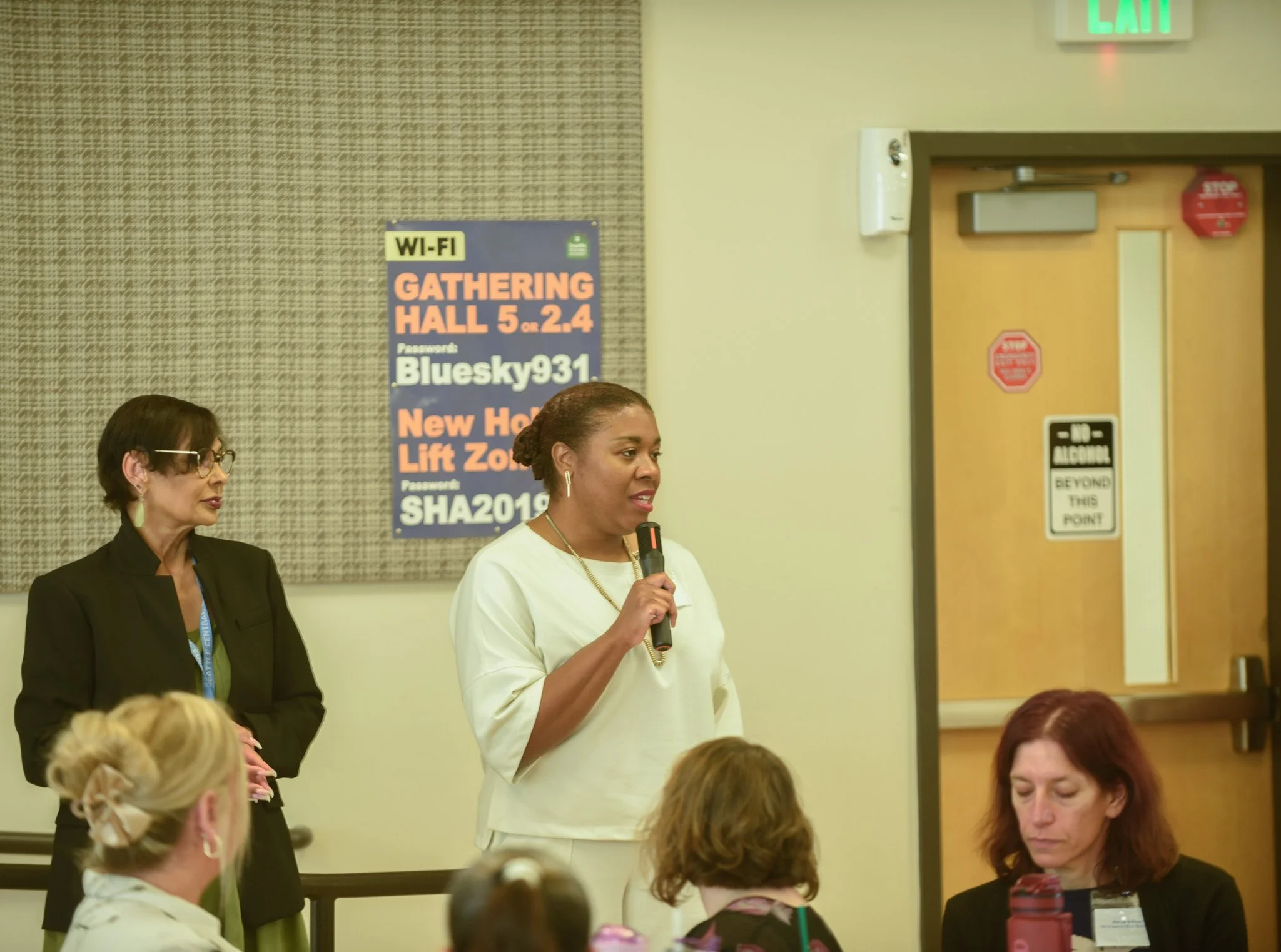
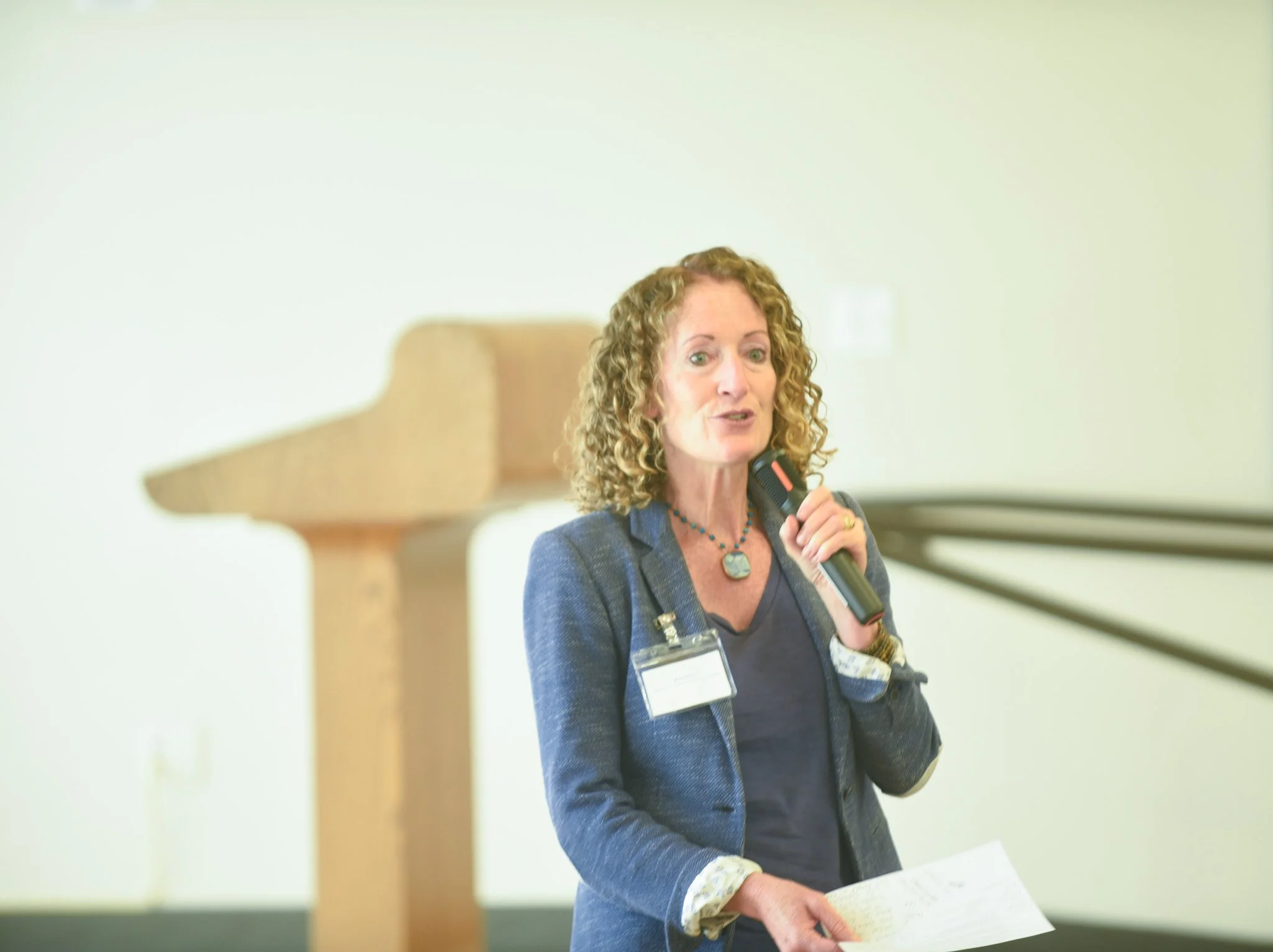
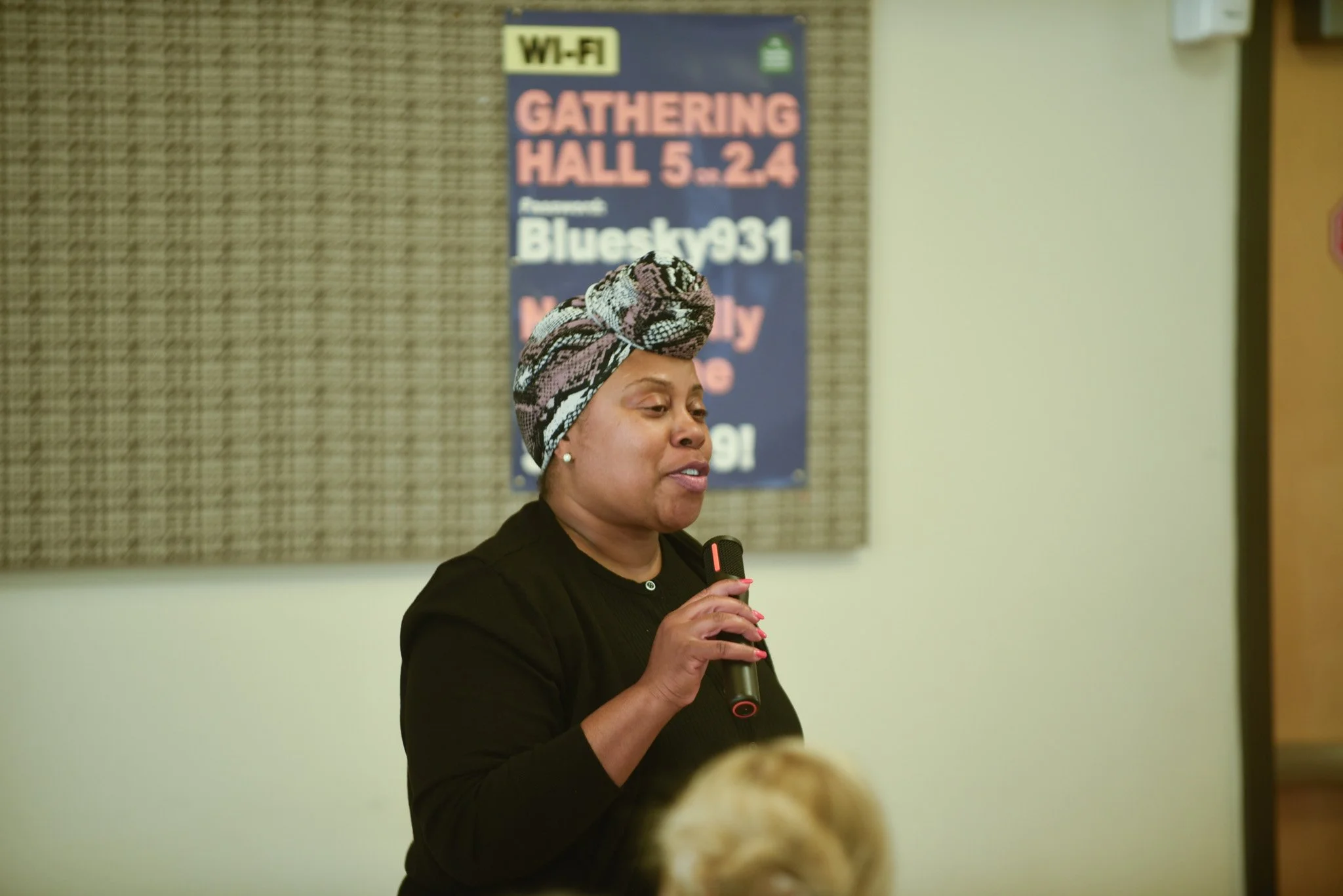
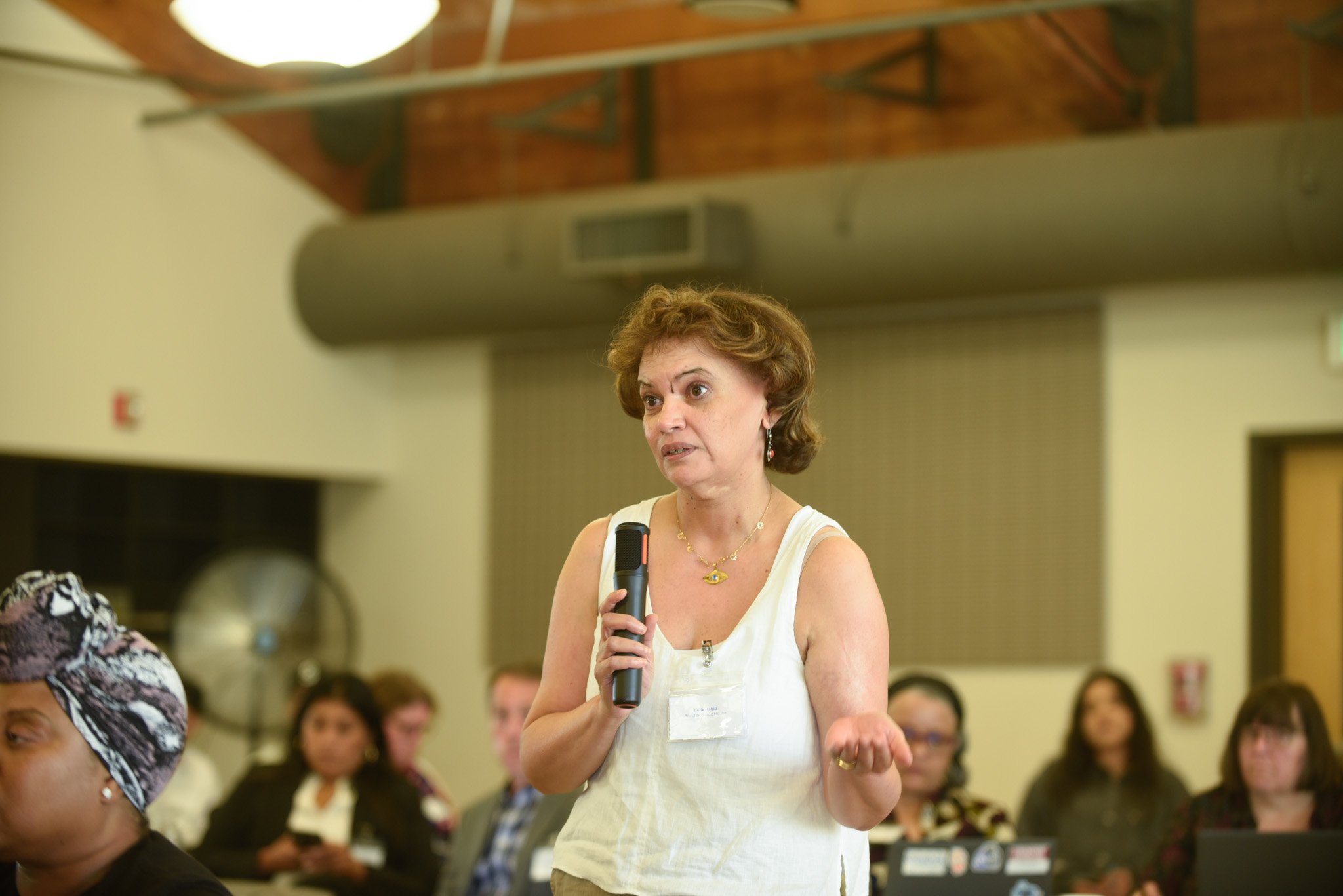
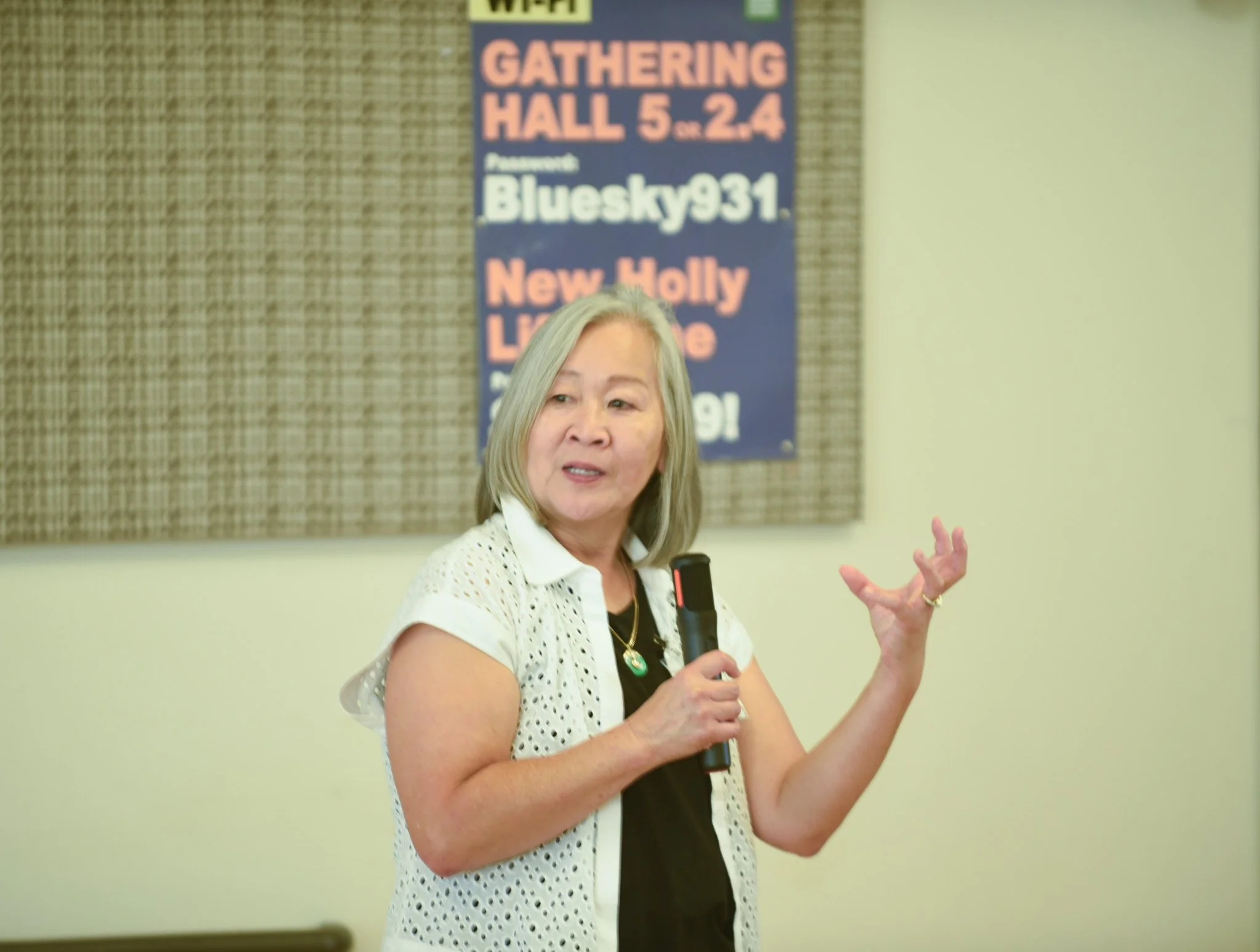
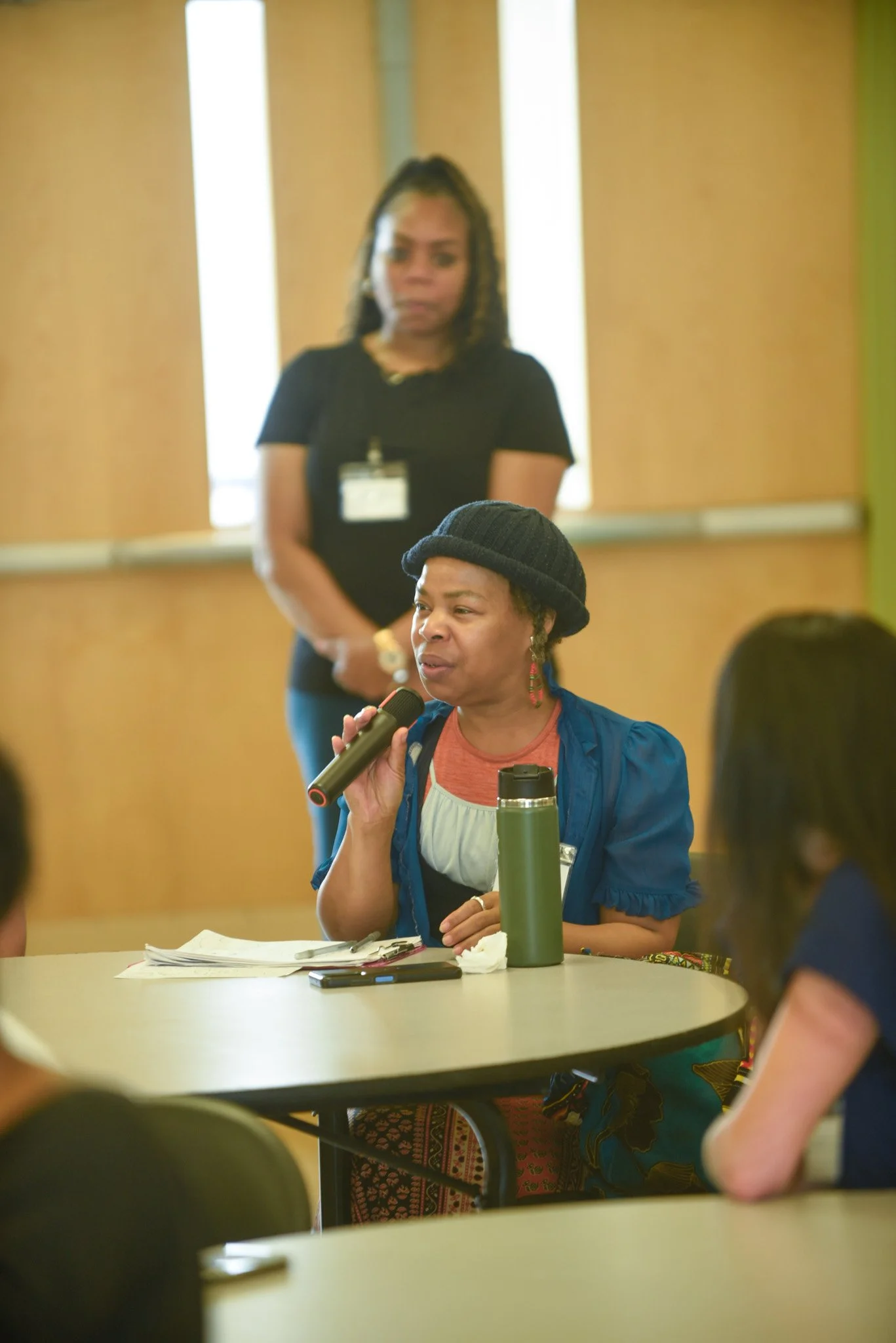
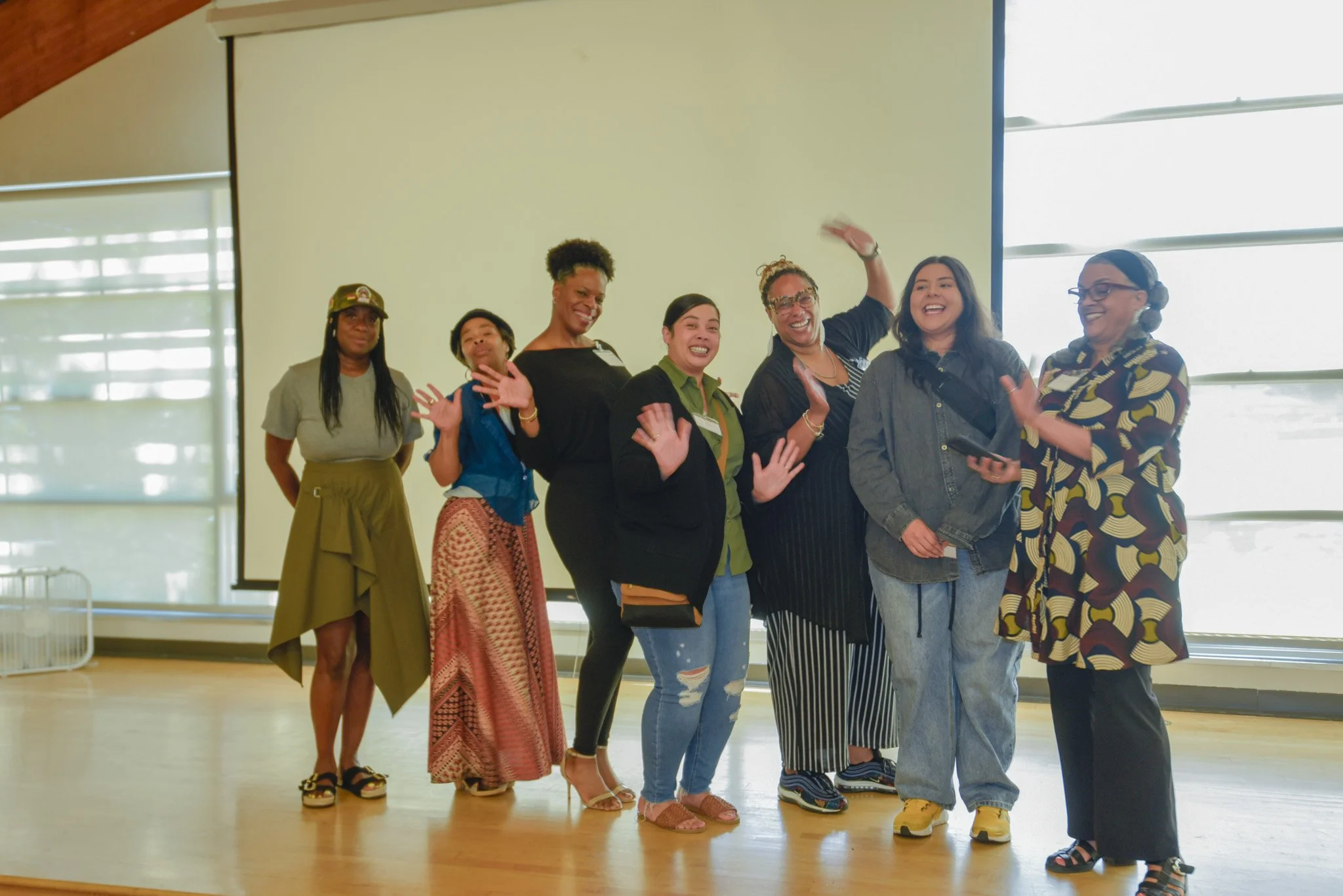
On July 29, 2026, the Workforce Development Council of Seattle-King County hosted the Economic Security for All & Community Reinvestment Program Provider Summit. It was a morning that brought together the Washington State Department of Commerce, Employment Security Department, and dozens of community partners from across King County to do something we don't do often enough: pause and celebrate.
King County, home to 2.3 million residents across 39 cities, is one of the most diverse regions in the country. Nearly 25% of residents were born in another country, and King County holds half of Washington's Black population. That diversity is a strength, but the region's prosperity hasn't always reached everyone.
Washington state funding from Economic Security for All (EcSA) and the Community Reinvestment Program (CRP) exists to close that gap, connecting historically underserved communities to quality jobs, entrepreneurship, and wealth-building opportunities through trusted, community-rooted organizations who already know their neighborhoods best.
This Summit gave space to those who make community work happen — the intermediaries, training providers, small business owners, and community organizations — to share their lived experiences and those of the people they serve. Nearly 20 local partner organizations, from Tabor 100 and the Seattle Latino Chamber of Commerce to the Filipino Community of Seattle, Port of Seattle, TRAC Associates, United Indians of All Tribes Foundation, and many more, each added a piece to the community reinvestment story.
Stories That Stayed With Us
Issaq's path to an electrical apprenticeship: After graduating from ANEW in 2025, Issaq enrolled in King County JumpStart and completed the program as a residential electrical helper. Realizing he needed more training to compete for an apprenticeship, he used his EcSA stipend to support himself while completing a second pre-apprenticeship program. He's now on the waitlist to become an electrical apprentice — a clean-energy career path that didn't exist for him two years ago.
Olivia Orosco, Orosco Consulting: The Small Business Grant funding helped Olivia grow her consulting practice. With this added capacity, she landed her first grant with the City of Seattle's Public Parks department, a milestone she credited directly to the CRP funding her business received.
Pablo Vazquez, TJ's Street Tacos: A true crowd favorite on-site — and a reminder that economic opportunity looks like community businesses that feed and gather people, not just spreadsheets. A Workforce Accelerator Grant recipient, Pablo used the funding to train his first employee as both a line cook and shift manager, covering training hours for food prep, cooking, and the shop's time-tracking and payroll systems. That investment freed him up to step back from day-to-day operations and focus on growth — new menu items, promotions, and plans for a future brick-and-mortar location.
Lovely’s nursing journey: Lovely found TRAC Associates through a flyer at Highline College while completing her prerequisites. With TRAC's support — a monthly stipend, a laptop, emergency assistance, gas cards — she stayed focused, completed her prerequisites in a single year, and made the Dean's List in her first quarter of nursing school.
Youpa Valentine, Jumpin' Jambalaya: Through combined support from the CRP Career Accelerator, MISA matched savings, and a WDC business microgrant, Youpa expanded her business into a new cafeteria location at Highline College — purchasing equipment, growing her production capacity, and building toward the kind of financial stability that lets her plan for the long term. Read more about her story.
SLMCC and Tabor 100 — the intermediary partners making it happen: The Seattle Latino Chamber of Commerce and Tabor 100 are part of the backbone of small business grantmaking under CRP. Together, the two organizations have distributed $400,000 to 56 small businesses, drawn from more than 400 applications regionwide.
Additional business grant recipients spoke about what the support meant in very concrete terms — hiring an additional kitchen employee, replacing a broken water heater, bringing on a paid intern through EcSA. As one business owner put it: "When you invest in people, you invest in the whole community."
By the Numbers
The stories are the heart of it, but the scale is worth noting too:
1,394 unique individuals in King County served through EcSA since the program launched in 2021
$4.7 million disbursed through the Career Accelerator program, with 287 participants exiting to employment
56 grant awardees and $400,000 in grants distributed through SLMCC and Tabor 100 alone in the most recent cycle
175+ small businesses supported through CRP grants, with $1.5 million directly invested in hiring, retention, and growth efforts since 2024
In It For The Long Run
None of this started with a grant check. WDC has dedicated time to building relationships with our communities, well before designated dollars showed up — years of trust that don't happen overnight. What this funding did was give that existing work more fuel and a longer reach.
Part of what WDC is designed to do is the work nobody sees: coordinating with state and local government, managing the paperwork and reporting that comes with public funding, and pushing for as much flexibility as possible so the organizations closest to the people being served can spend their time serving people, not filling out forms. That's where the real impact comes from.
We want partners to trust WDC with this work because we know how to move funding and relationships to where they'll do the most good, and because we believe that trust, and the opportunity that comes with it, belongs in the hands of the community.
Why This Work Matters
WDC invests funding from programs like EcSA and CRP to make sure economic growth in one of the country's strongest regional economies actually translates into shared prosperity. That means meeting people and businesses where they are — through direct grants, hands-on technical assistance, and partnerships with organizations that communities already trust.
These partnership moments are a reminder of why that approach works: not because it's efficient on paper, but because it's built by and for the people living it.
Thank you to the Washington State Department of Commerce, ESD, and every partner organization who showed up to share their work. WDC is proud to help guide this ecosystem — and even prouder to celebrate it with the communities being served.